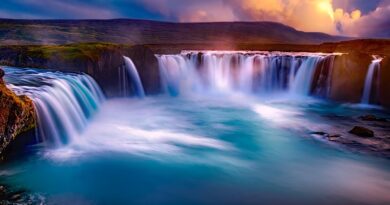
10 Underrated National Parks That Deserve a Spot on Your Bucket List
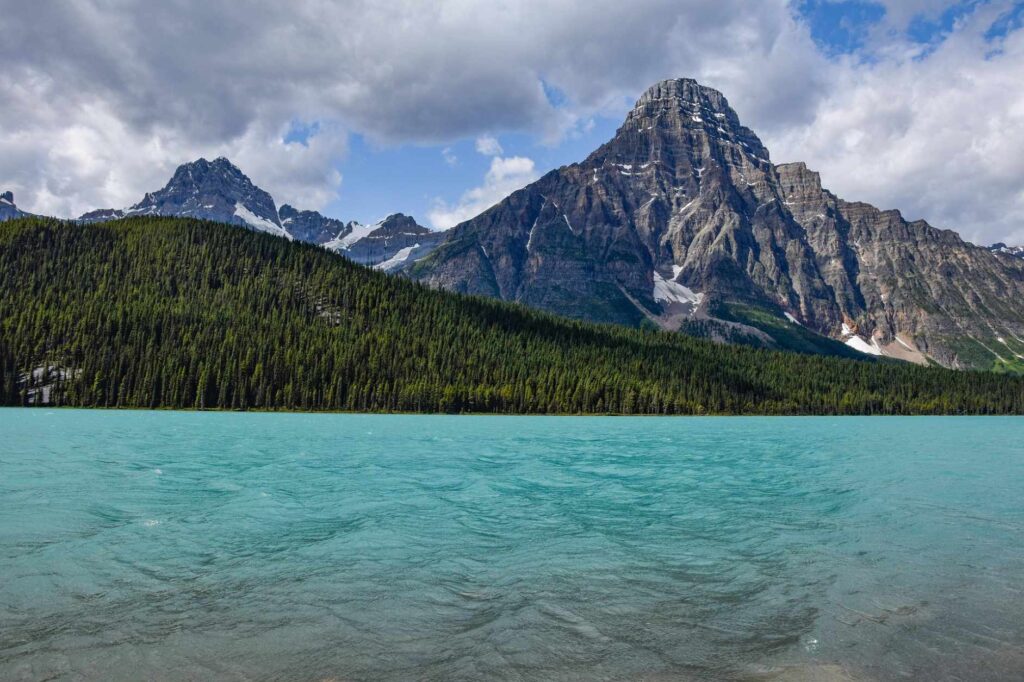
You already know Yellowstone. You’ve probably scrolled past a hundred photos of the Grand Canyon. But some of the most beautiful places on the planet are national parks that almost nobody talks about.
No crowds. No parking lot traffic jams. No waiting an hour just to snap the same photo as everyone else. Just wide open, wildly scenic land and enough quiet to actually hear it.
Here are 10 of these underrated national parks worth planning a trip around. There’s Arctic tundra with 24-hour daylight, waterfalls that only roar to life during Australia’s wet season, and a stretch of Brazilian coastline where sand dunes fill up with turquoise lagoons every summer. Every one of these off the beaten path travel destinations takes a bit more effort to reach than your average park. That effort is exactly what keeps them this beautiful.
Why Underrated National Parks Are Worth Seeking Out
Before we get into the list, it’s worth asking why underrated national parks deserve your attention at all. Avoiding crowds is nice, sure. But there are a few more practical reasons these places are worth the trip.
Fewer Crowds, More Wildlife
When a park doesn’t get thousands of daily visitors, animals act differently. They’re calmer. They stick closer to trails and water sources instead of hiding from noise and traffic.
This means better wildlife sightings for you. You’re more likely to spot a condor circling overhead or a herd of buffalo grazing undisturbed when you’re not sharing the trail with fifty other hikers.
Lower Cost, Easier Permits and Bookings
Famous parks like Yosemite or the Serengeti often require booking permits months in advance. Some cap daily visitor numbers and sell out fast.
Underrated parks are usually the opposite. You can often show up, pay a modest entry fee, and get straight to exploring without a long planning battle.
A More Authentic, Sustainable Way to Travel
Overtourism is a real problem at popular natural sites. Trails get eroded, wildlife gets stressed, and local communities struggle to keep up with demand.
Choosing underrated national parks spreads tourism dollars to places that need them. It’s a simple way to travel more responsibly while still seeing incredible places.
1. Gates of the Arctic National Park, Alaska, USA
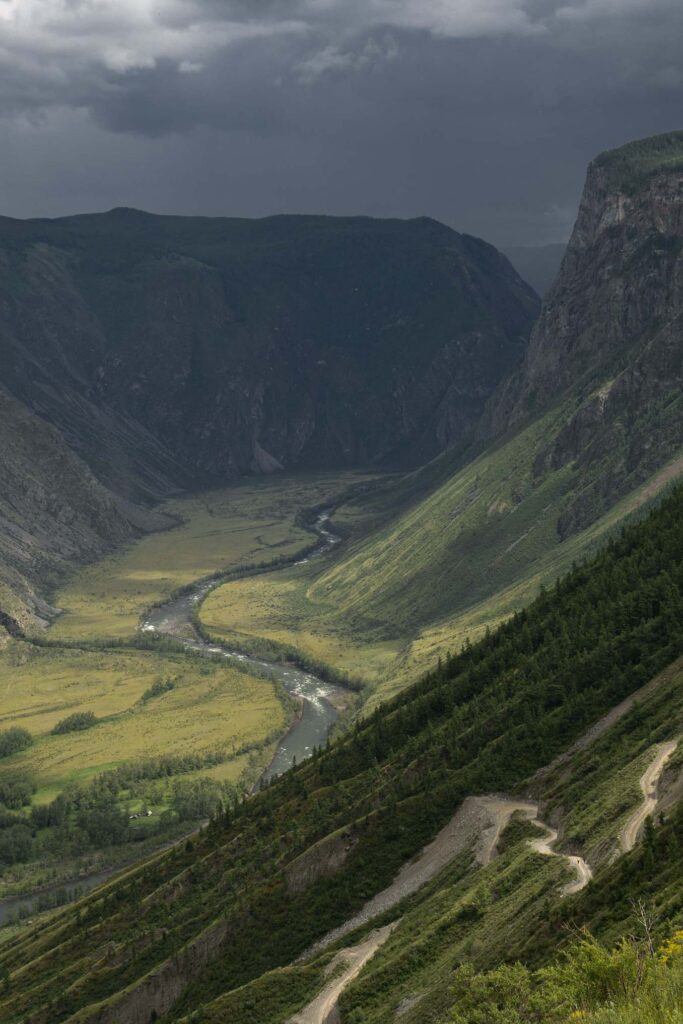
Gates of the Arctic sits entirely north of the Arctic Circle in Alaska’s Brooks Range. There are no roads, no trails, and no cell service. It’s one of the least visited national parks in the entire US park system, and just one of several hidden natural wonders in North America worth planning a trip around.
You won’t casually stroll into this park. Most visitors fly in on a small bush plane from towns like Fairbanks, Bettles, or Coldfoot, landing on a gravel bar or lake near the spot they want to explore. From there, you’re hiking, camping, or floating down one of the park’s wild rivers through untouched wilderness.
Summer, from June through August, is your best bet for reliable access and manageable weather. Late June through early July brings 24-hour daylight and fewer bugs, while early September rewards visitors with brilliant fall colors across the tundra.
Most people fly into Fairbanks first, then catch a smaller plane or bush charter to a gateway town like Bettles, Coldfoot, or Anaktuvuk Pass. From there, an air taxi drops you inside the park itself. If you’re an experienced backcountry hiker, you can also access the park on foot from the Dalton Highway, though this route demands strong navigation skills and comfort with unmarked terrain.
2. Kakadu National Park, Australia
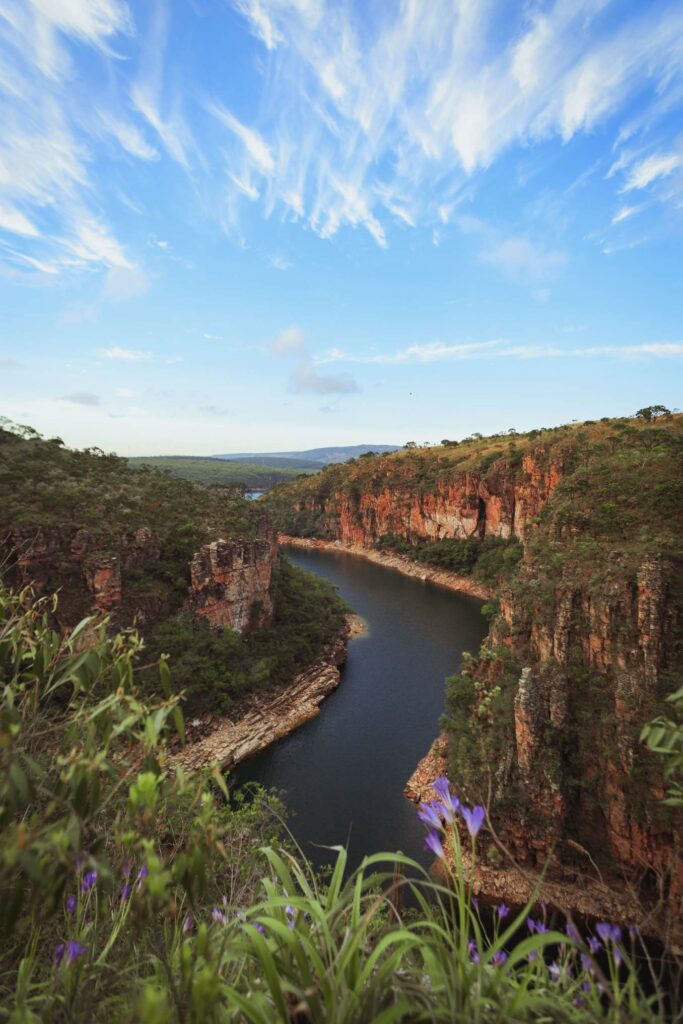
Kakadu is Australia’s largest national park, and it’s a dual UNESCO World Heritage Site, recognized for both its natural beauty and its Aboriginal cultural sites. Towering waterfalls cut through the wetlands, and some of the rock art here is THOUSANDS of years old!
The park is also one of the best places on earth to see saltwater crocodiles, wallabies, and hundreds of bird species in their natural habitat.
Kakadu’s billabongs (natural ponds…) attract huge numbers of birds, especially toward the end of the dry season when animals gather around shrinking water sources. Boat cruises on Yellow Water Billabong are one of the easiest ways to spot crocodiles and waterbirds up close.
The dry season (roughly May to October) is the most popular time to visit, with easy road access and swimmable pools beneath the falls. But the wet season, especially February through May, is when waterfalls like Jim Jim Falls and Twin Falls are at their most powerful, best viewed by scenic flight since many roads become impassable.
3. Isalo National Park, Madagascar
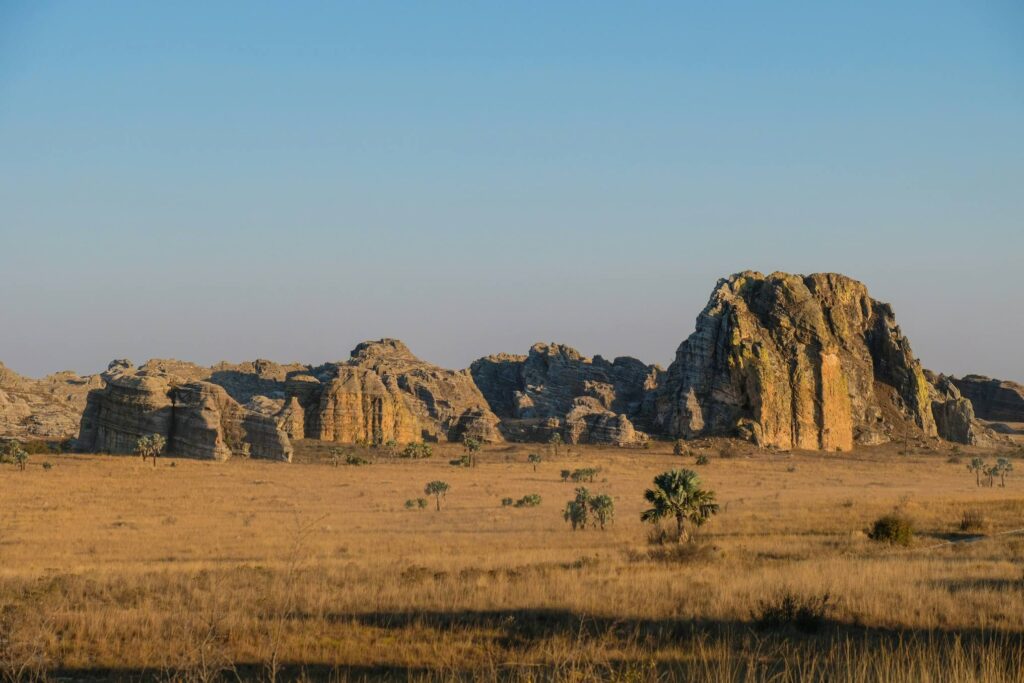
Isalo looks like it was teleported straight out of the American Southwest, only with lemurs. Sandstone canyons, wind-carved rock formations, and hidden natural pools make this one of Madagascar’s most photogenic parks.
It’s also a sacred site for the local Bara people, who have used the park’s caves as burial sites for generations. Madagascar doesn’t come up as often as classic safari countries, but it deserves a spot next to your list of African safari adventures.
Isalo offers circuits for nearly every fitness level, though a local guide is mandatory for all hikes. The most popular route leads to the Piscine Naturelle, a turquoise natural pool fed by a waterfall, after a moderate hike across sun-baked plateau and through shaded canyon trails.
4. Valley of Flowers National Park, India
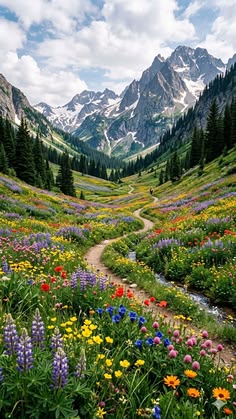
Tucked into the Garhwal Himalayas, the Valley of Flowers is only open for a few short months each year. When it is, it turns into one of the most colorful landscapes on the planet – literally.
This UNESCO World Heritage Site is home to over 500 species of wildflowers, along with rare wildlife like the Himalayan black bear and musk deer.
The park typically opens around June 1 and closes by early October, closing the rest of the year due to heavy Himalayan snowfall. Peak bloom hits between mid-July and mid-August, when blue poppies, cobra lilies, and the sacred Brahma Kamal flower all bloom together. A forest permit is required, and overnight stays inside the valley itself aren’t allowed, so visitors base themselves in the nearby village of Ghangaria.
5. Canaima National Park, Venezuela
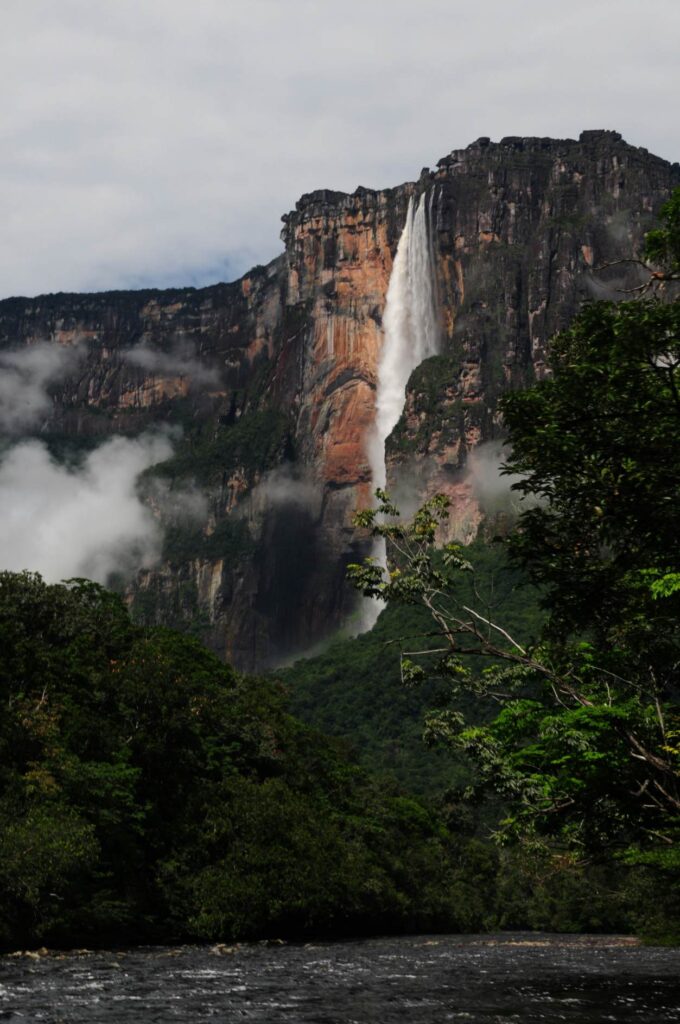
Canaima is home to Angel Falls, the tallest uninterrupted waterfall on Earth, dropping nearly a kilometer off the edge of a massive flat-topped mountain called Auyán-tepui. The park itself is roughly the size of Belgium and covered in these dramatic table-top formations.
This landscape reportedly inspired Arthur Conan Doyle’s novel “The Lost World,” and once you see photos of the tepuis rising out of the jungle, it’s easy to understand why.
There are no roads into Canaima, so the only ways in are by small plane or a multi-day canoe expedition up the Carrao River. Yellow fever vaccination is required for entry into Venezuela, and travelers should check current travel advisories and currency conditions before booking, since Venezuela’s political and economic situation can change quickly. Most trips are arranged through licensed tour operators based in Ciudad Bolívar or Caracas.
Also check out these top adventure destinations in South America.
6. Northumberland National Park, England
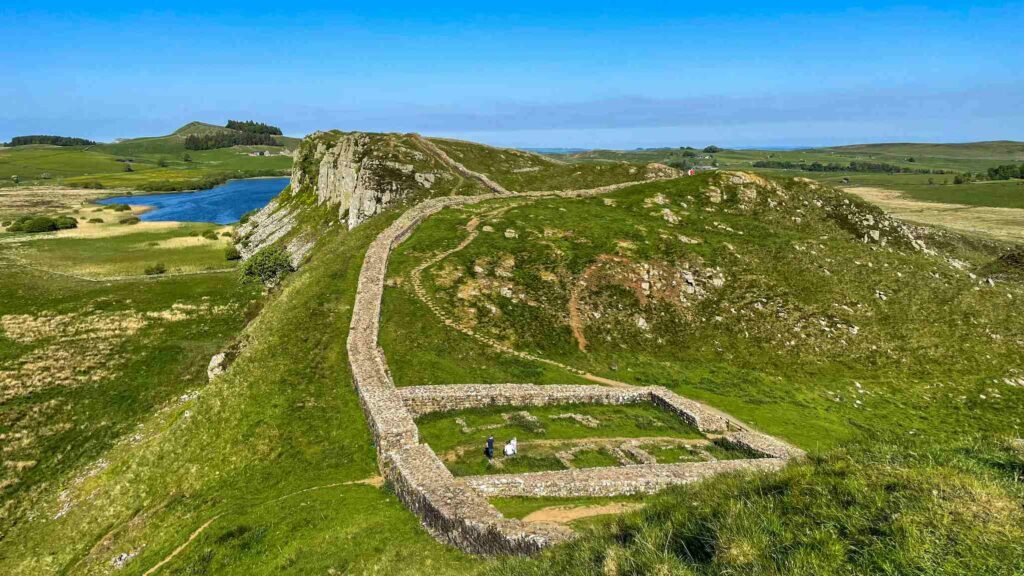
Northumberland is proof that “underrated national parks” doesn’t only mean remote jungles and glaciers. This rolling moorland in northern England sits along Hadrian’s Wall and is home to the largest area of protected dark sky in Europe.
If you’ve never tried stargazing without light pollution, this park will change how you see the night sky completely.
The best stargazing months are September through April, when longer nights and crisp, clear air make for the best visibility. Cawfields Quarry, near Hadrian’s Wall, is a designated Dark Sky Discovery Site with a dedicated viewing platform. Aim to stargaze around midnight for the darkest skies, and check the moon phase beforehand since a full moon washes out fainter stars.
7. Pinnacles National Park, California, USA
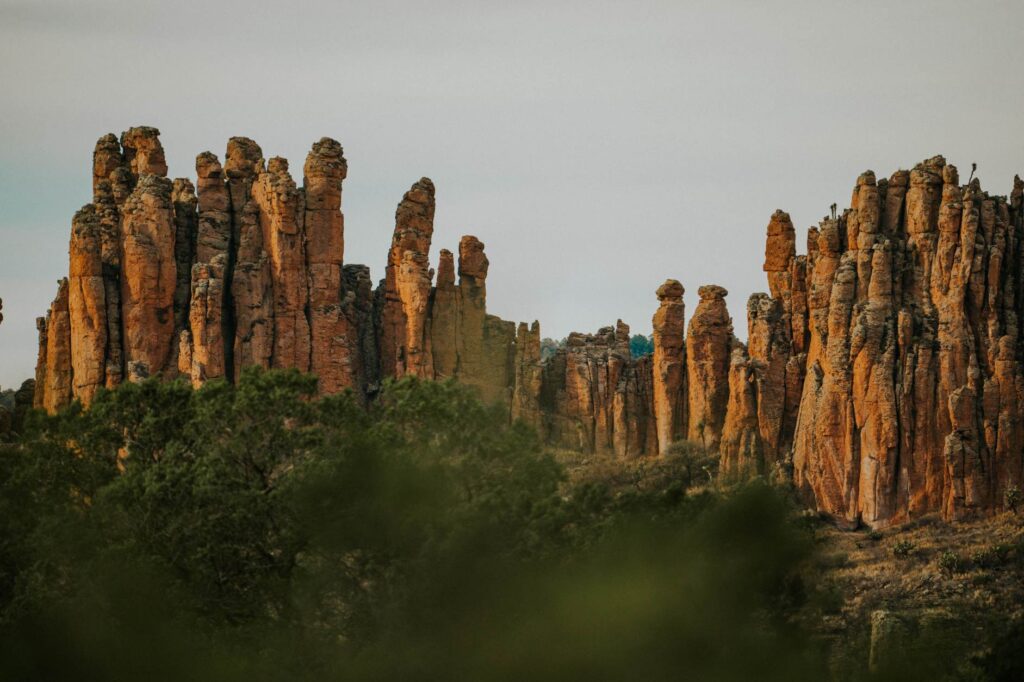
Pinnacles became a full national park in 2013, making it one of the newest additions to the US system. It’s built around the eroded remains of an ancient volcano, split apart over millions of years by the San Andreas Fault.
The park is also one of the best places in the country to spot the critically endangered California condor, a bird with a wingspan of up to nine feet.
Pinnacles’ talus caves aren’t traditional caves. They’re formed by giant boulders wedged together above narrow canyons, and you’ll need a flashlight or headlamp plus sturdy shoes to explore them safely. Note that Bear Gulch Cave closes seasonally (typically mid-May through mid-July) to protect a maternity colony of bats, so check current closures before you plan your route.
8. Rapa Nui National Park, Easter Island, Chile
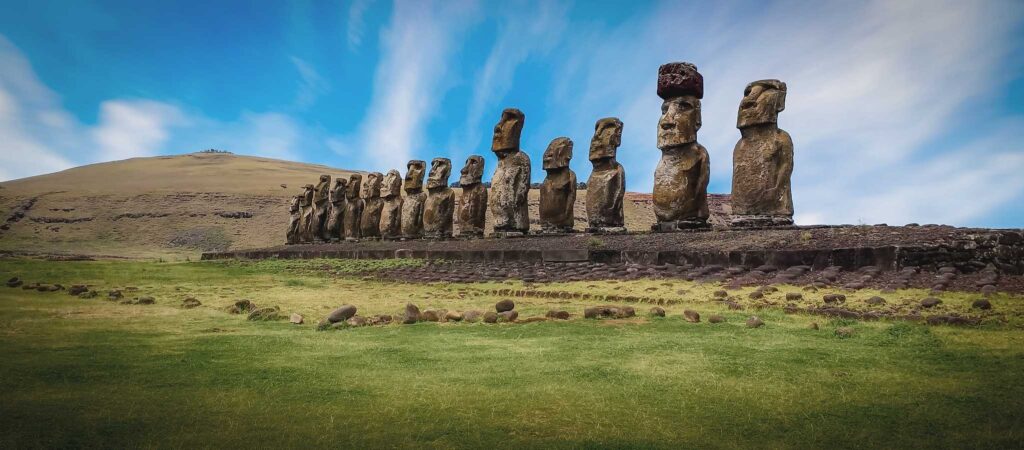
Most people know Easter Island for its moai, the massive stone statues that stare out toward the sea. Fewer people realize the island itself is a dramatic volcanic landscape, with extinct volcanoes, lava tube caves, and beaches with pink and white sand.
Rapa Nui National Park protects both the archaeological sites and the island’s fragile natural environment, making it a striking (if remote) stop on any South America adventure itinerary.
Rano Kau, an extinct volcano with a massive crater lake, offers some of the best views on the island. Anakena Beach, a crescent of golden sand lined with palm trees, is both a place to swim and home to a group of restored moai. As of a few years ago, visitors are required to join an accredited local guide for most archaeological sites, so book ahead rather than expecting to explore solo.
9. Lençóis Maranhenses National Park, Brazil
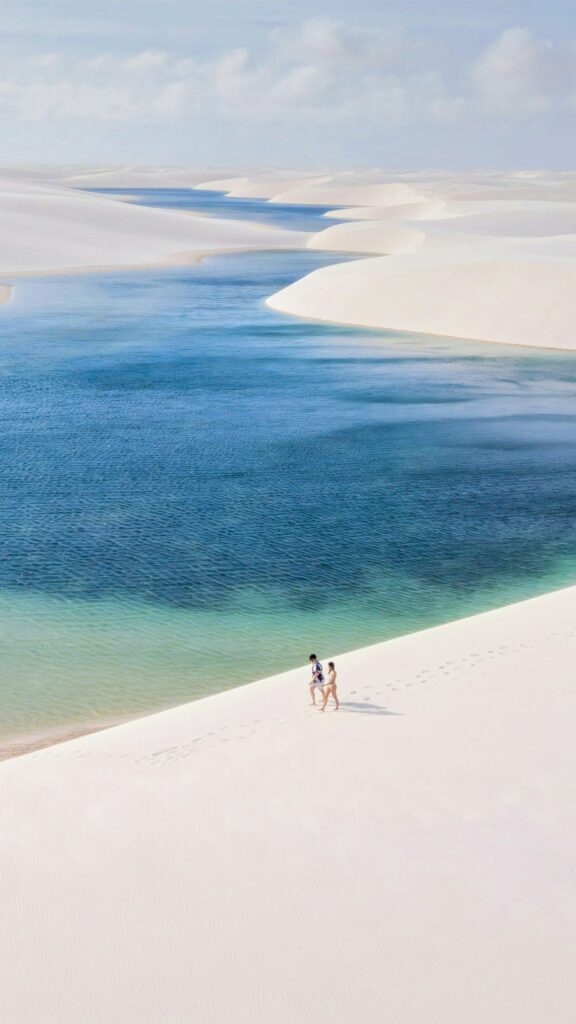
This might be the most surreal landscape on this entire list. Lençóis Maranhenses looks like a desert of pure white sand dunes, except between those dunes are thousands of turquoise freshwater lagoons.
The lagoons form after the rainy season, when water collects in the low points between dunes and can’t drain because of an impermeable rock layer underneath. It’s one of the more otherworldly stops among South America’s best adventure travel destinations.
The best window is roughly May through September, when the rains have stopped but the lagoons are still full from the previous months. June through August tends to be the sweet spot for the clearest, deepest water. By October, many lagoons start to evaporate, leaving just the dunes behind, so timing your trip matters more here than almost anywhere else on this list.
10. Kidepo Valley National Park, Uganda
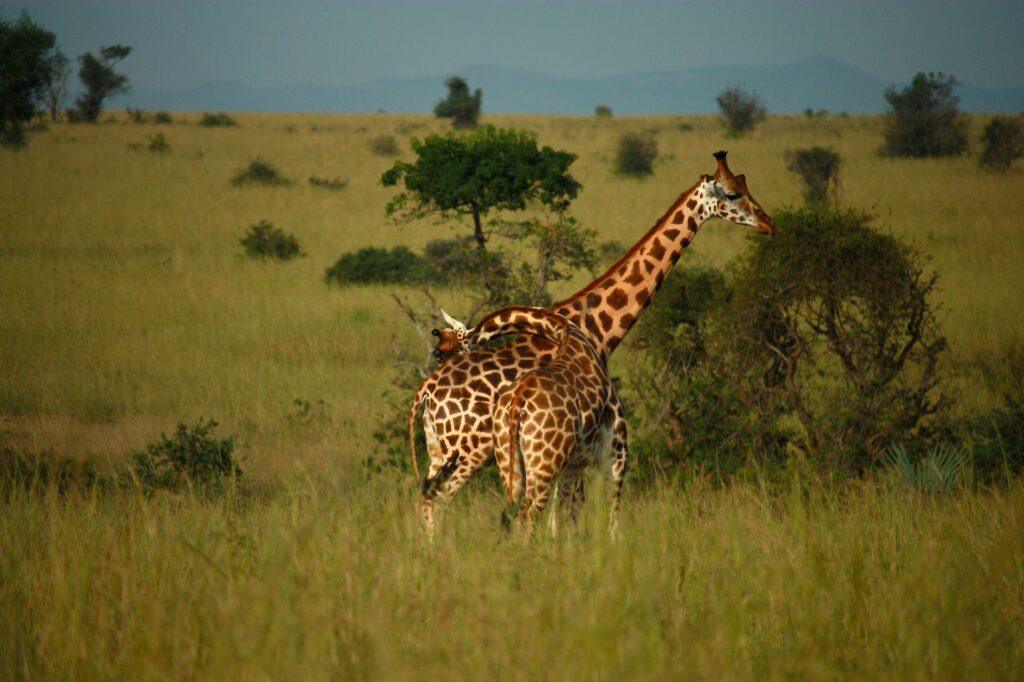
Kidepo Valley sits in Uganda’s remote northeastern corner, wedged between the borders of South Sudan and Kenya. It’s widely considered one of the most beautiful parks in Africa, yet it remains one of the least visited because of how hard it is to reach.
The payoff is wildlife you won’t find anywhere else in Uganda, including cheetahs, ostriches, and maneless zebras, set against a backdrop of golden savanna and distant mountains. If Kidepo isn’t already on your list of African safari adventures, it should be near the top.
The drive from Kampala takes 10 to 13 hours, usually broken into two days with an overnight stop in Gulu, Kitgum, or at Ziwa Rhino Sanctuary. Chartered flights from Entebbe are available and cut travel time significantly, though at a higher cost. The dry season, roughly September through March, is best for wildlife viewing, while birders may prefer the wetter months from April to August despite muddier roads.
Beautiful Places Are Still Out There
The most beautiful places on Earth aren’t always the ones splashed across every travel blog’s homepage. Sometimes they’re a bush plane ride into the Alaskan tundra. Sometimes they’re a two-day canoe trip up a Venezuelan river toward the tallest waterfall on the planet.
Pick one of these 10 parks, start looking into flights and permits, and get ready for a trip that won’t look like anyone else’s vacation photos.
Looking for more off the beaten path travel destinations? Check out our guides to Albania’s hidden gems, and peaceful hidden gems in the Caribbean.