Exploring UNESCO World Heritage Sites You Can’t Miss
Have you ever dreamed of walking through ancient cities or standing before natural wonders that leave you speechless? If so, exploring UNESCO World Heritage Sites might be the perfect way to travel. These places are not just famous, they’re protected because of how special they are to the world. Whether it’s a centuries-old temple or a jungle full of rare animals, UNESCO heritage sites are some of the most fascinating spots on the planet.
In this guide, we’re going to take you through some of the top UNESCO World Heritage Sites you can’t miss. We’ll also talk about what makes a site earn this title and how you can visit them responsibly.
What Are UNESCO World Heritage Sites?
UNESCO stands for the United Nations Educational, Scientific and Cultural Organization. One of their biggest jobs is choosing important places around the world that deserve to be protected. These places are called UNESCO World Heritage Sites.
There are three kinds: cultural, natural, and mixed. Cultural sites might be ancient ruins, historic cities, or places with deep traditions. Natural sites are areas with amazing landscapes, rare animals, or plants. Some places are both, like Uluru in Australia, which is important to the Aboriginal people and also has unique geology.
Today, there are over 1,100 UNESCO heritage sites spread across nearly every country. Each one is special in its own way.
Must-See Cultural UNESCO World Heritage Sites
Cultural UNESCO sites help tell the story of human history. They’re the ruins, cities, and buildings that show how people lived, worshipped, and built their worlds. Let’s look at a few you really shouldn’t miss.
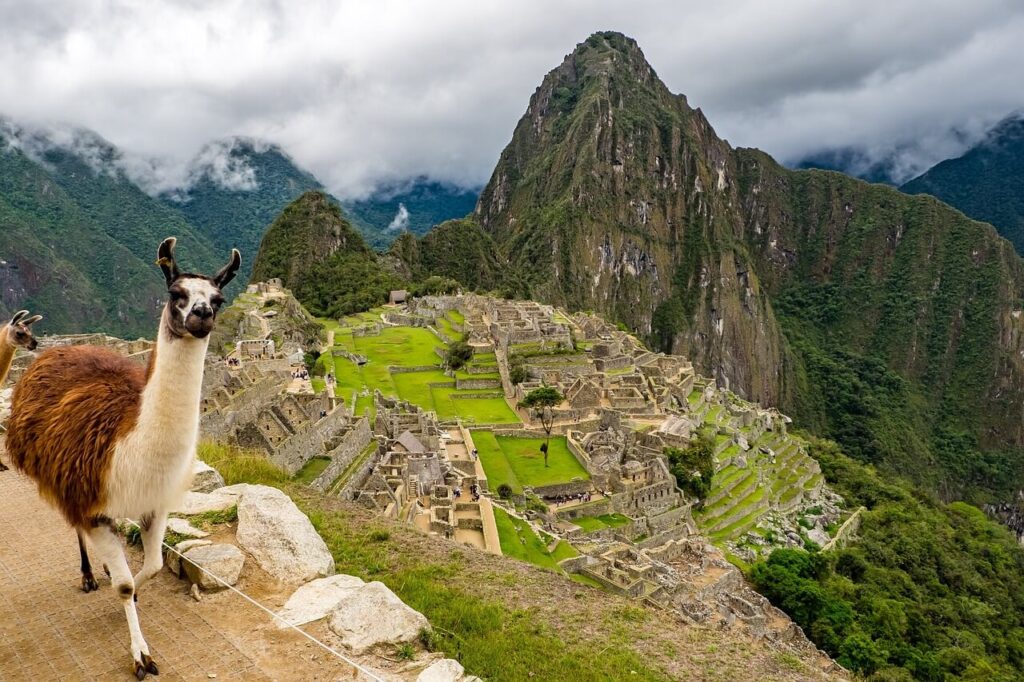
Machu Picchu, Peru is an ancient Incan city high in the Andes Mountains. It’s known for its stunning views and well-preserved stone buildings. Hiking the Inca Trail to get there is an unforgettable experience.
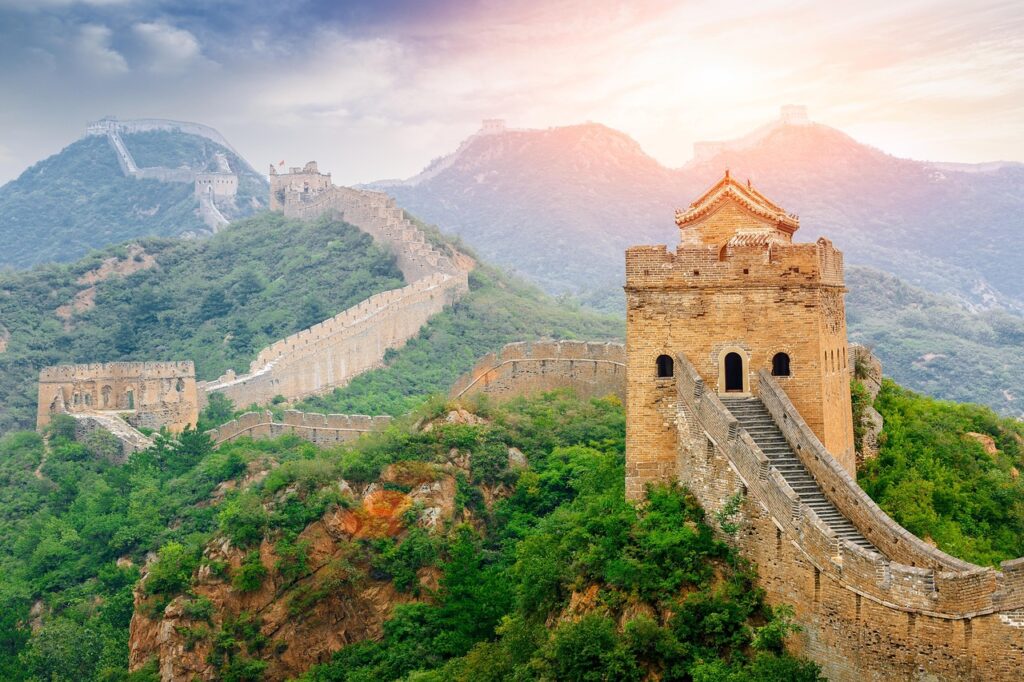
The Great Wall of China stretches for thousands of miles and was built to protect ancient China. Today, parts of it are open to visitors. Walking along the wall gives you a real sense of its scale and history.
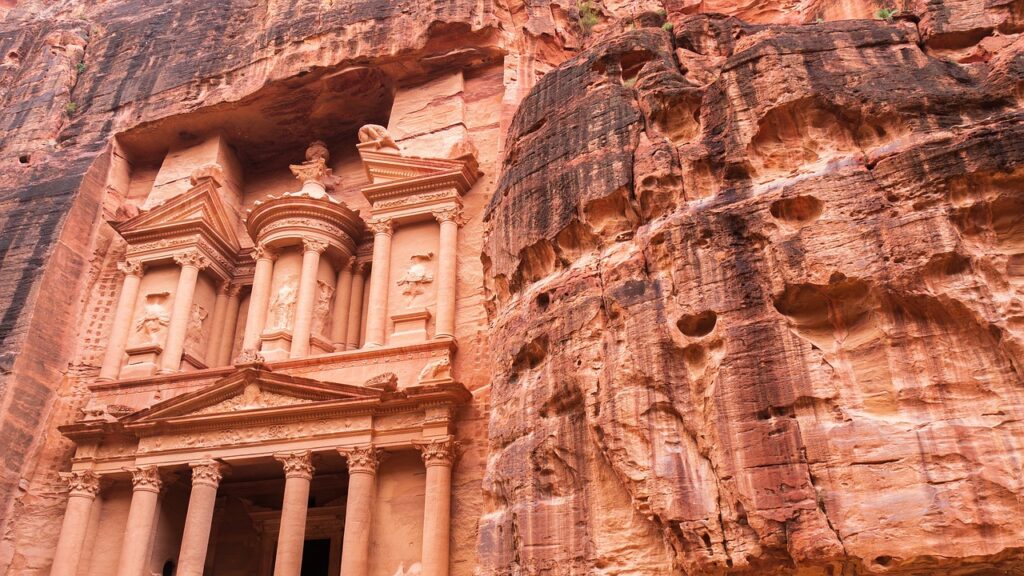
Petra, Jordan is carved right into the pink cliffs. It was once a busy city for traders. Now, you can wander through narrow canyons and marvel at the massive stone buildings.
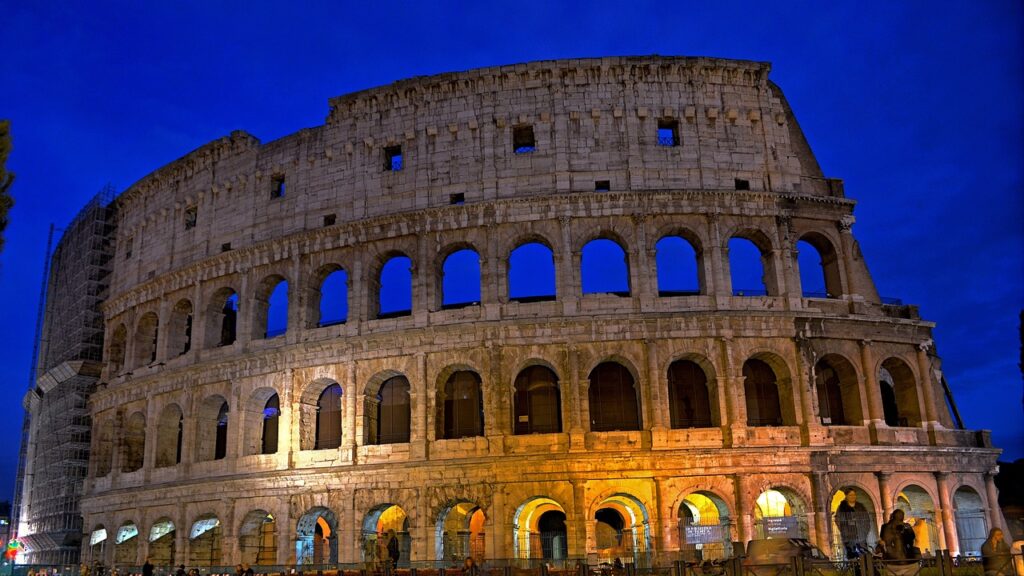
Rome, Italy is basically a living museum. The Colosseum and the Pantheon are part of the Historic Centre of Rome, a UNESCO site. Vatican City, an independent state nearby, is also a separate UNESCO World Heritage Site. Although close together, they are officially listed as two separate UNESCO World Heritage Sites.
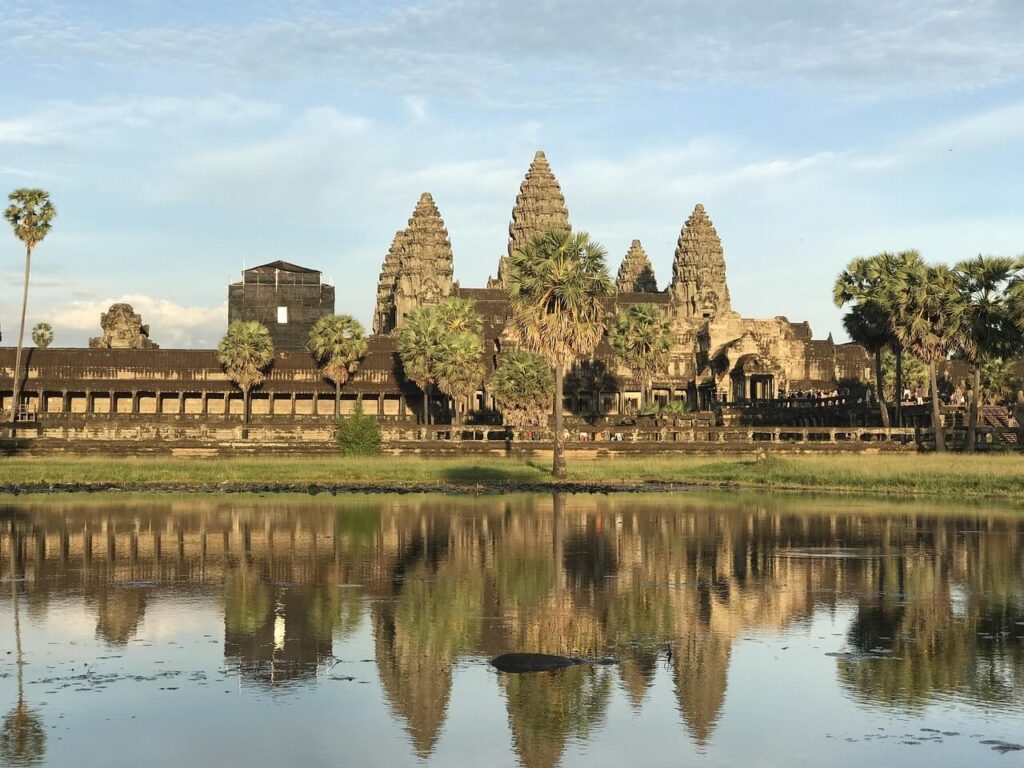
Angkor Wat, Cambodia is the world’s largest religious monument. Built as a Hindu temple and later used for Buddhism, its carvings and towers are simply breathtaking.
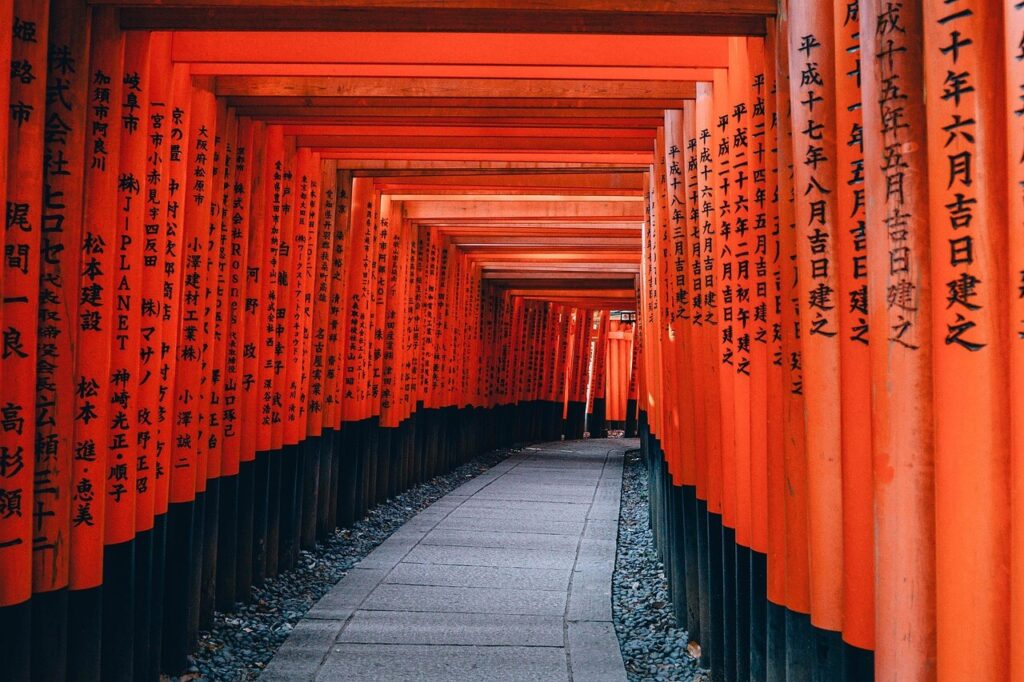
Kyoto, Japan has many historic temples and gardens. These places are peaceful and beautiful, especially during cherry blossom season.
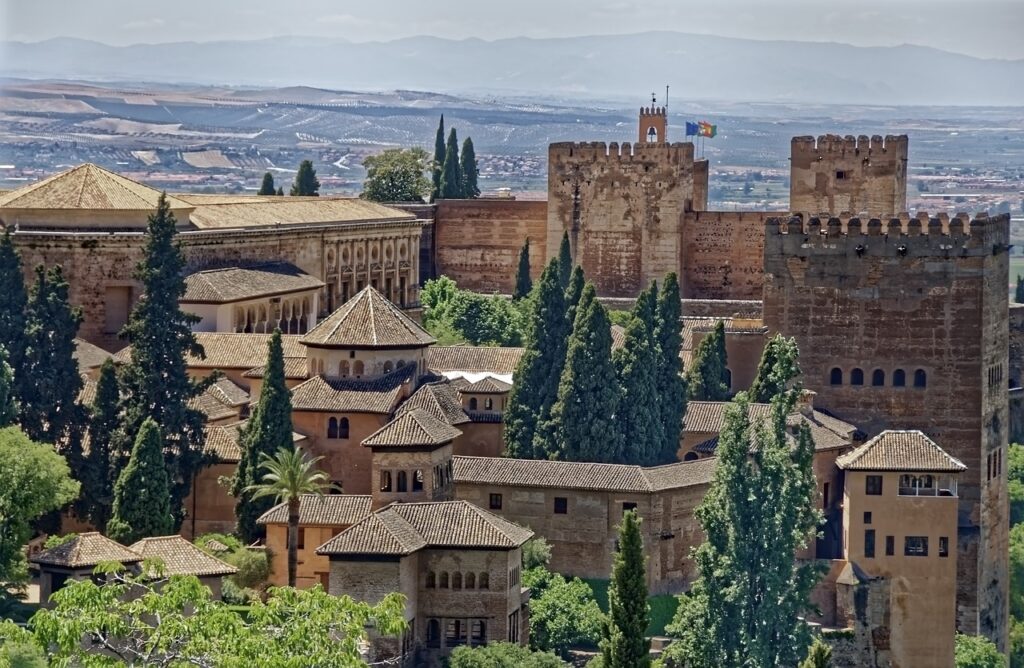
Alhambra, Spain is a palace with Islamic art and architecture. It sits on a hill in Granada and overlooks the city. Every tile and arch has a story.
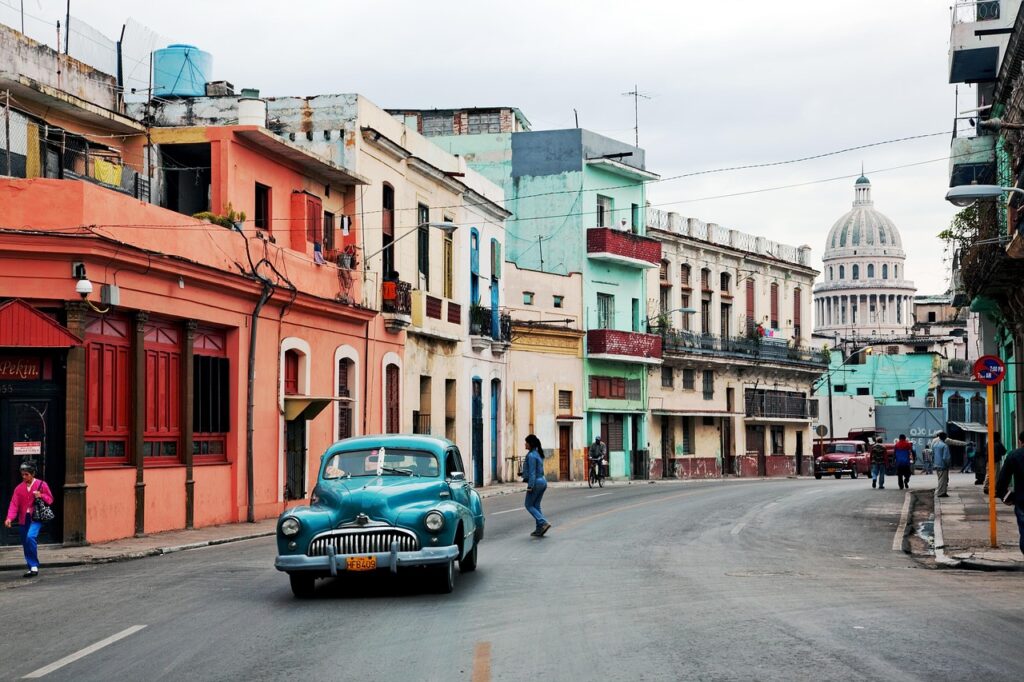
Old Havana, Cuba feels like stepping back in time. With its colorful buildings and lively streets, it’s a place full of music, culture, and charm.
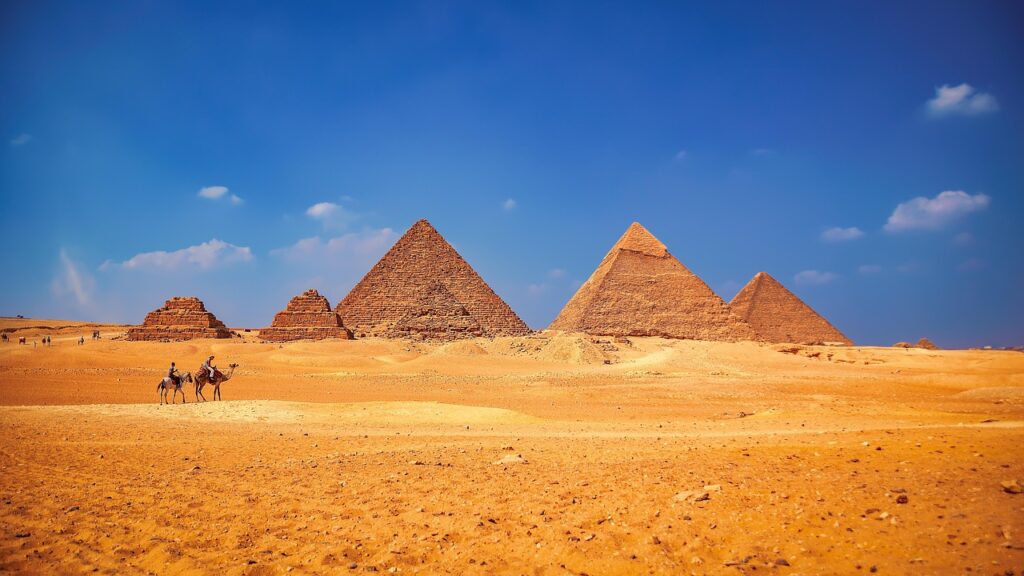
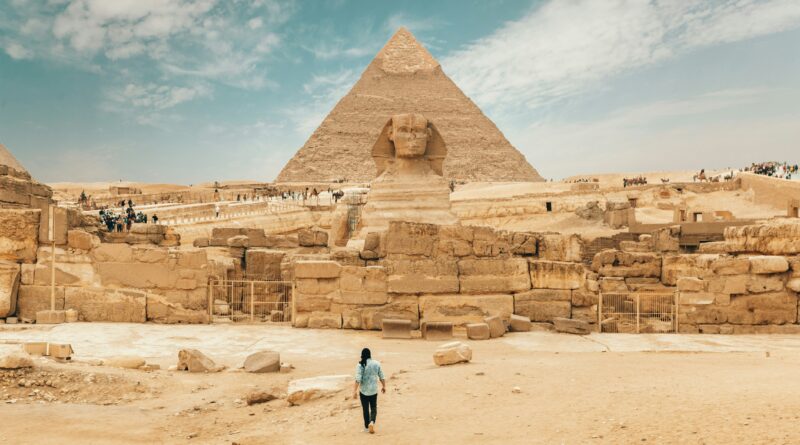
Pyramids of Giza, Egypt are some of the most famous landmarks in the world. These giant tombs were built thousands of years ago and still stand strong today. They show how skilled and smart ancient Egyptians were.
Must-See Natural UNESCO Heritage Sites
Nature is also protected by UNESCO. These sites are places with rare animals, plants, or amazing landscapes.
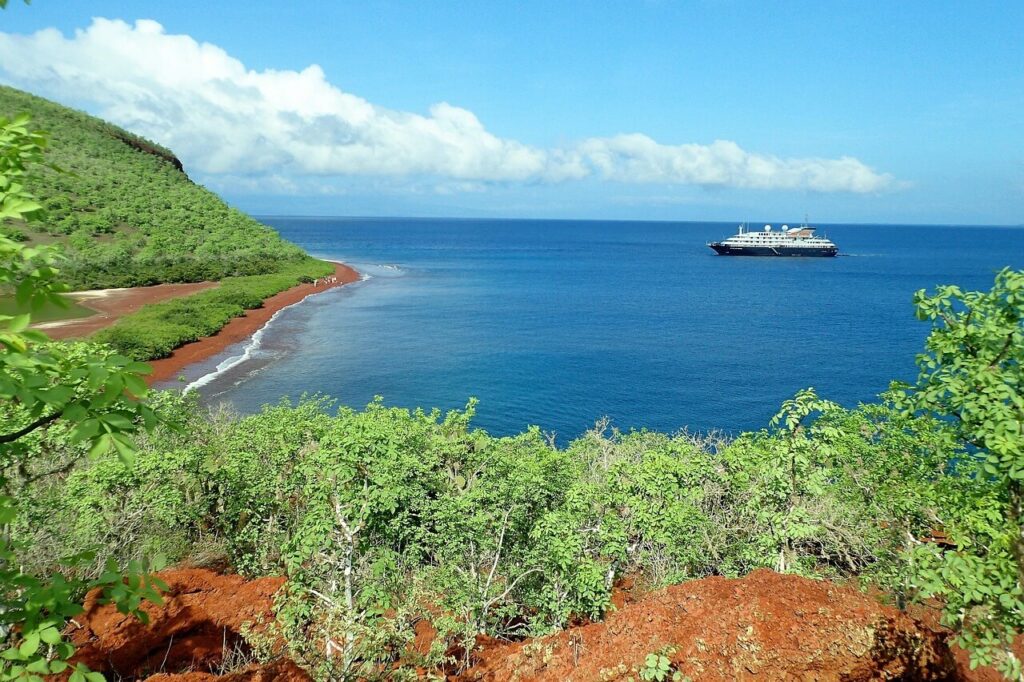
Galápagos Islands, Ecuador are where Charles Darwin got ideas for his theory of evolution. You can still see animals like giant tortoises and marine iguanas that live nowhere else.
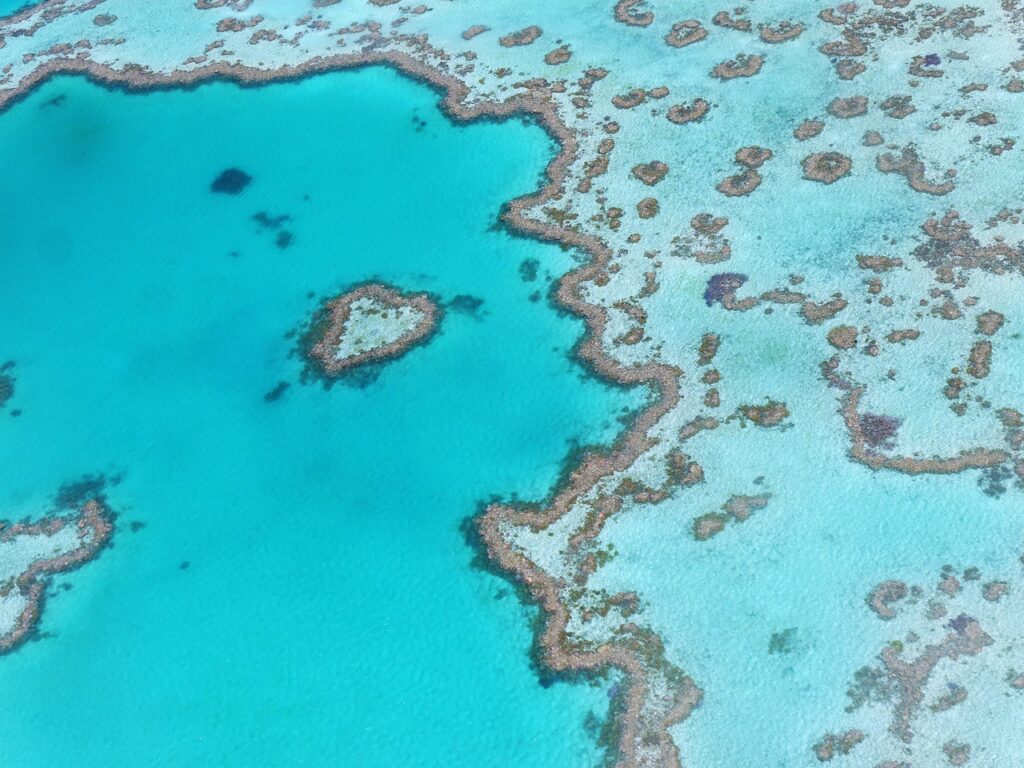
Great Barrier Reef, Australia is the largest coral reef system in the world. It’s full of colorful fish, sea turtles, and coral. Sadly, it’s also in danger because of climate change.
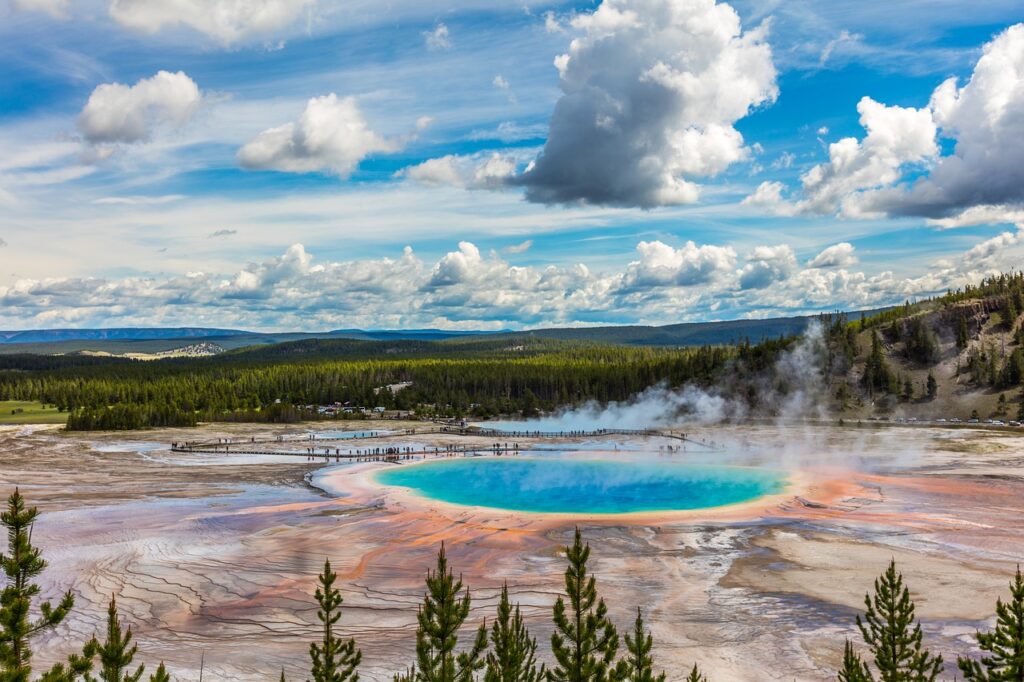
Yellowstone National Park, USA has geysers, hot springs, and lots of wildlife. It’s a great place to hike and learn about nature.
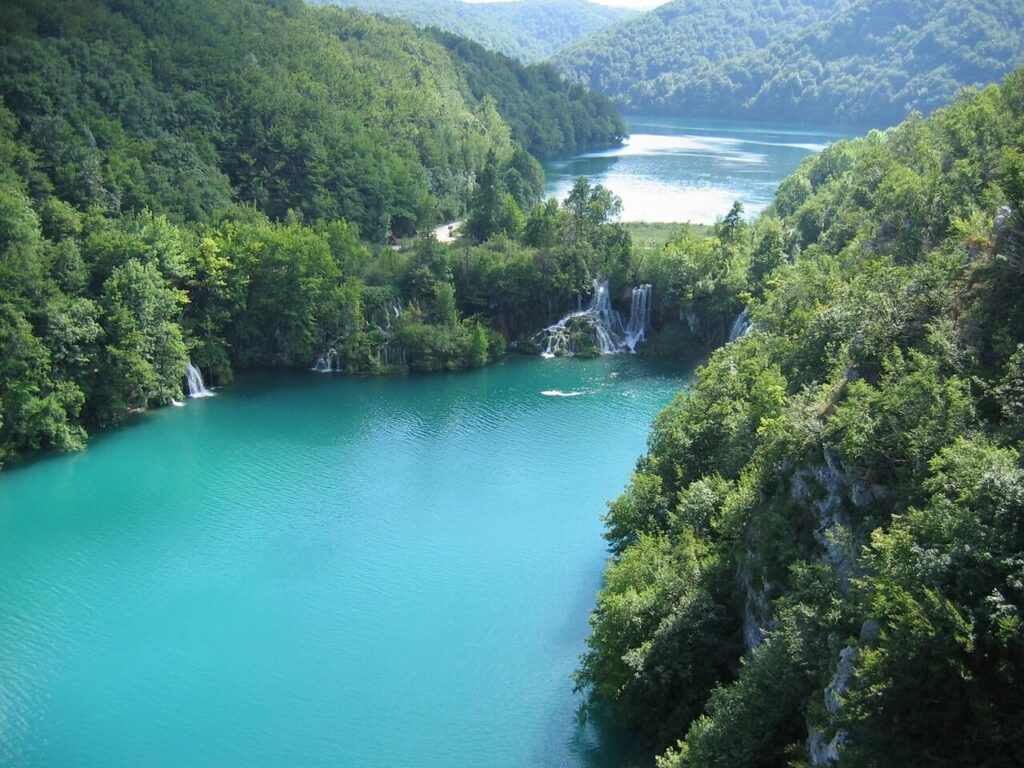
Plitvice Lakes, Croatia has waterfalls and bright blue lakes. You can walk on wooden paths through the forest and enjoy the peaceful setting.
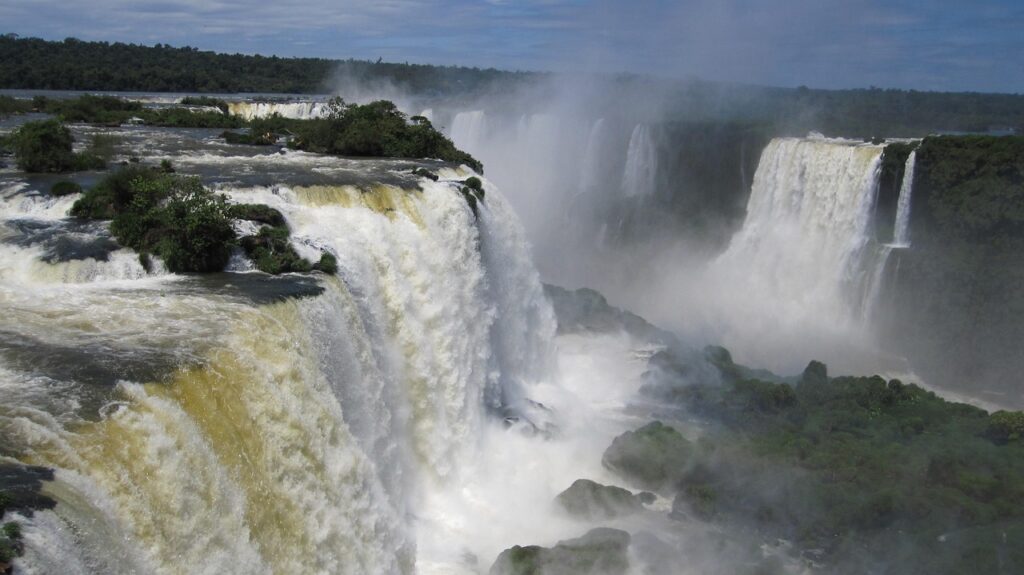
Iguazu National Park, Argentina and Brazil is home to one of the biggest waterfalls in the world. The roar of the water and the mist in the air make it unforgettable.
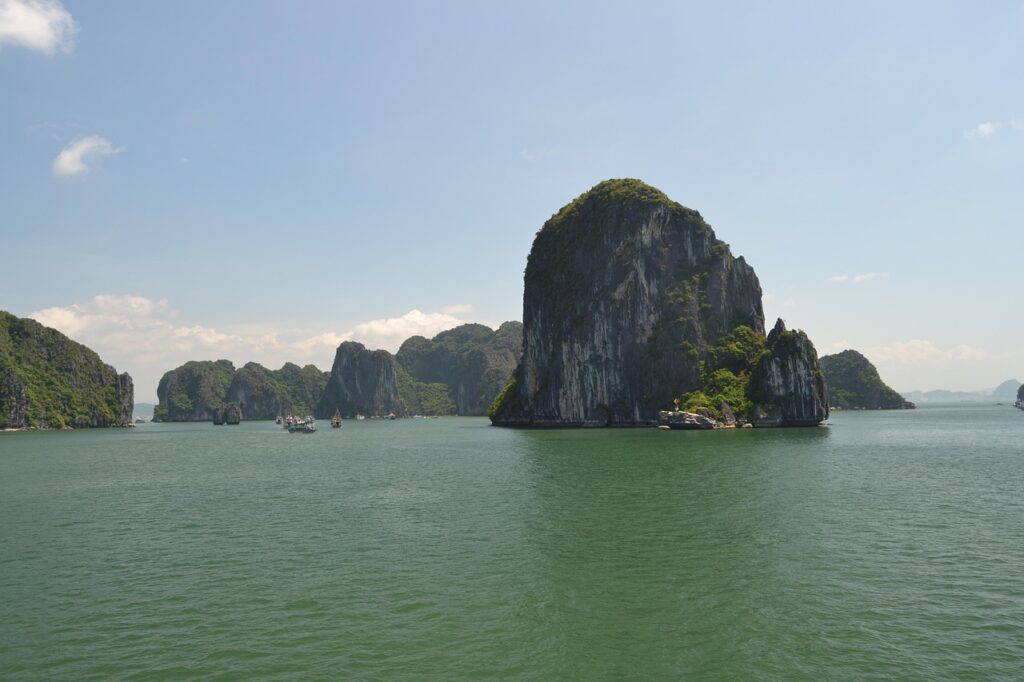
Ha Long Bay, Vietnam has tall limestone islands rising from the sea. A boat trip here feels magical, especially at sunrise.
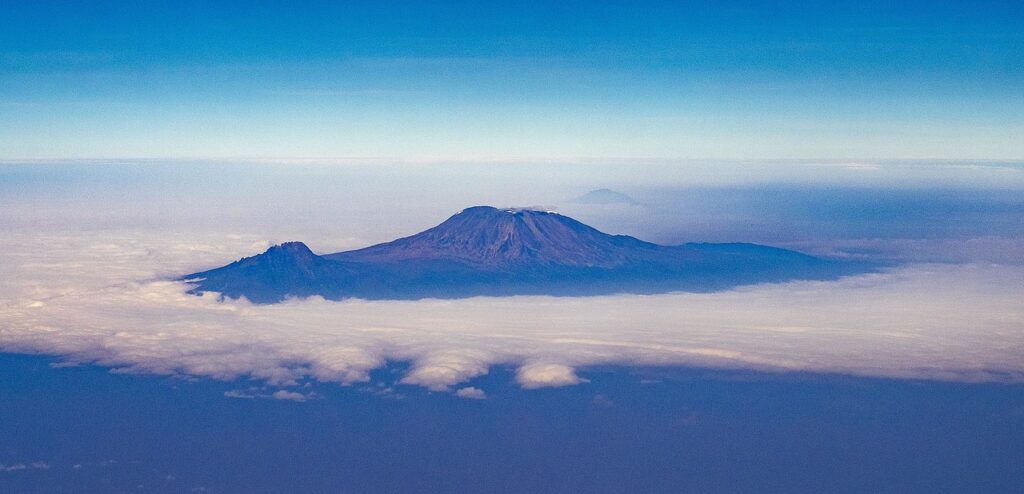
Mount Kilimanjaro, Tanzania is the tallest mountain in Africa. Many people try to climb it, but even just seeing it from below is amazing.
Hidden Gems: Lesser-Known UNESCO World Heritage Sites
Not all UNESCO sites are famous. Some are quiet, beautiful places you might not have heard of.
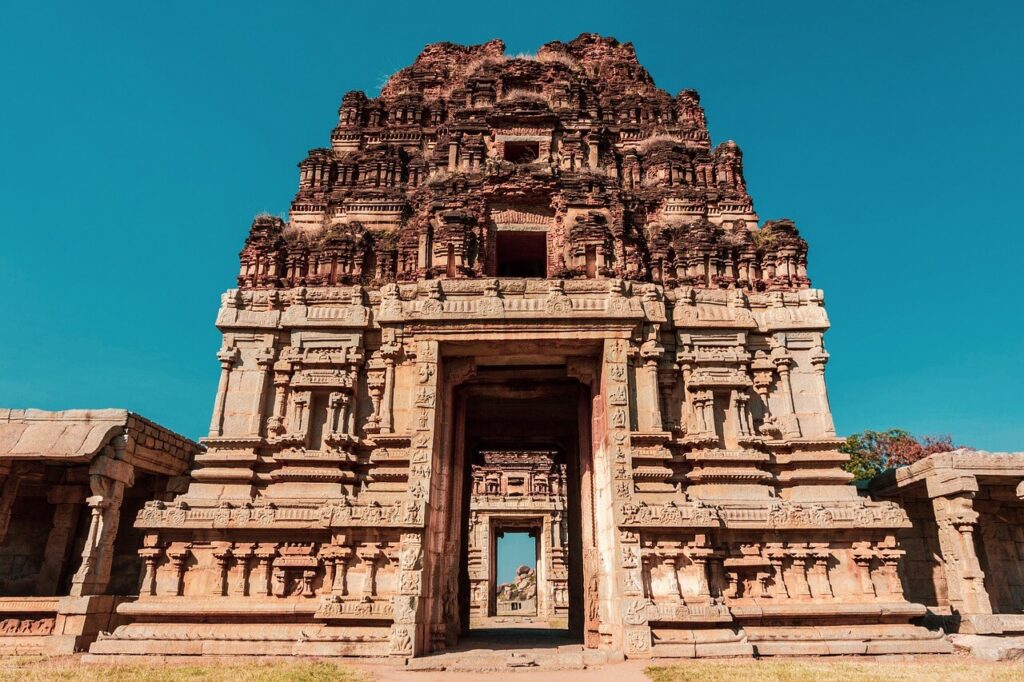
Hampi, India is full of ancient temples and boulders. It feels like stepping into a lost kingdom.
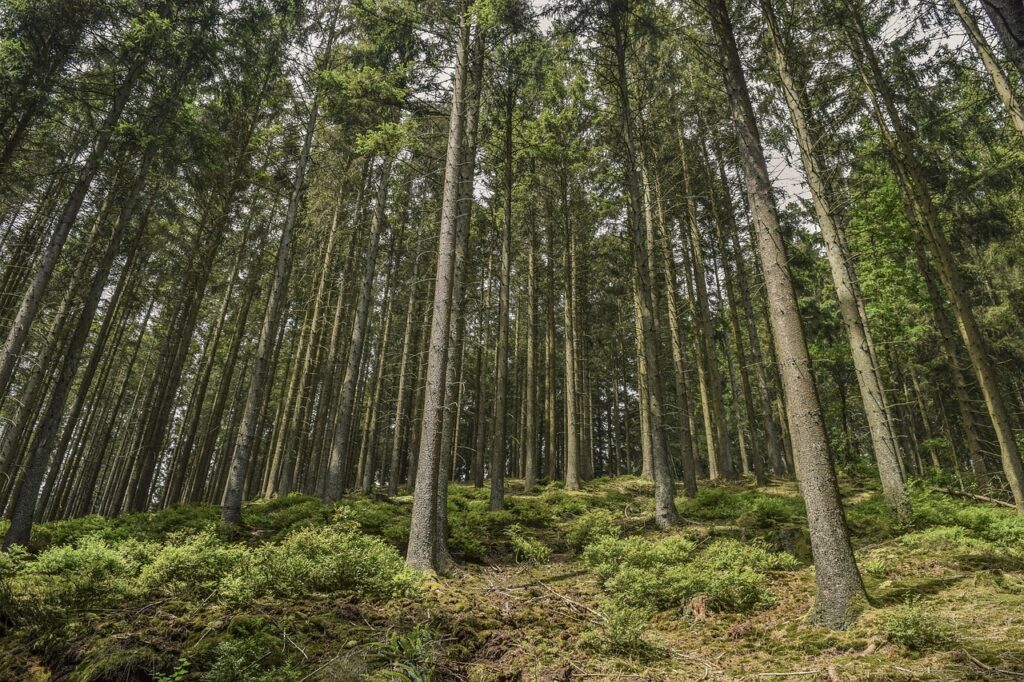
Bwindi Impenetrable Forest, Uganda is where you can see mountain gorillas in the wild. It’s one of the few places in the world where this is possible.
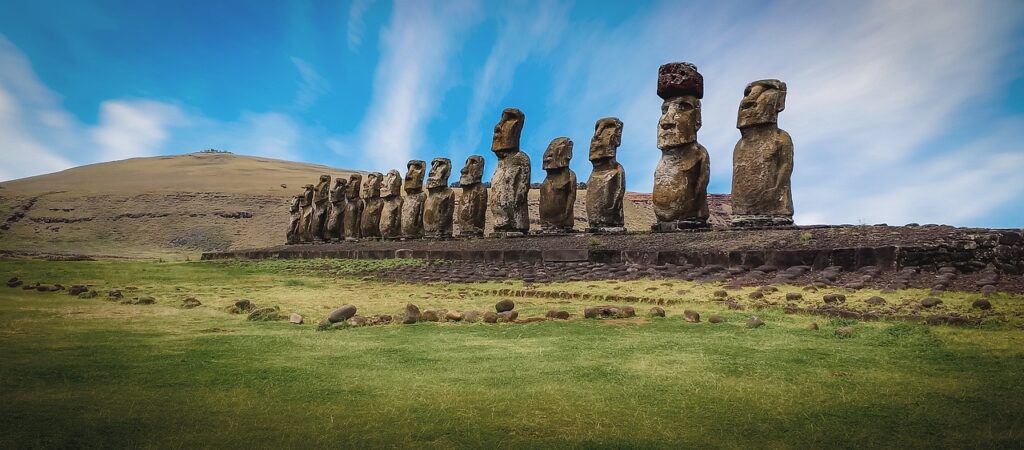
Rapa Nui, or Easter Island, Chile has huge stone heads called moai. Nobody knows exactly how they were made or moved, which makes them even more interesting.
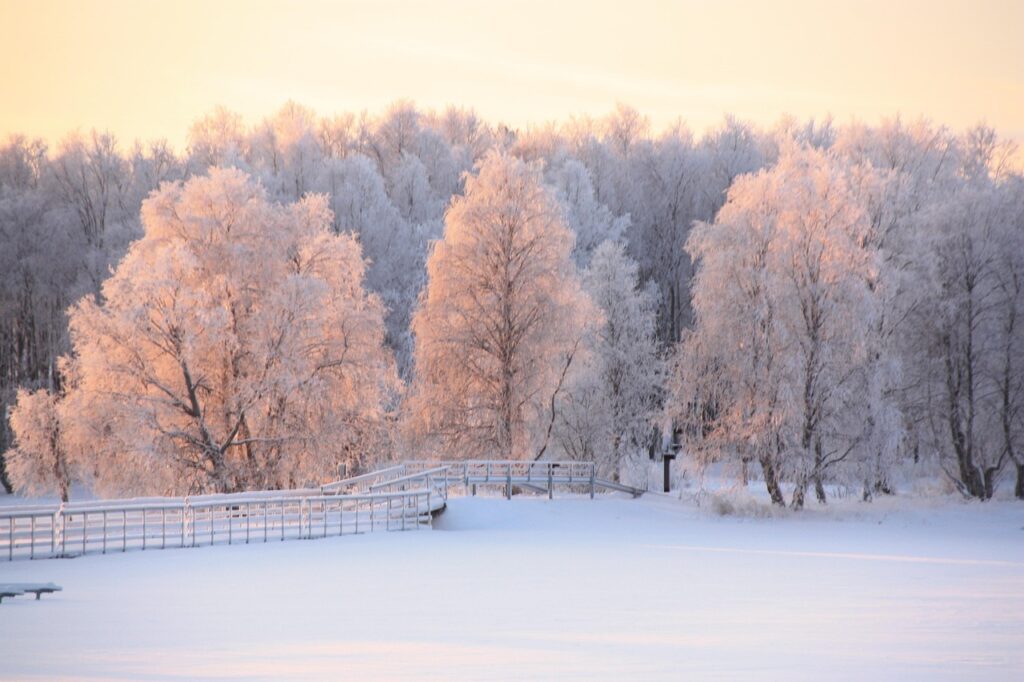
Laponian Area, Sweden is where the Indigenous Sámi people live. It’s also full of Arctic wildlife and snow-covered landscapes.
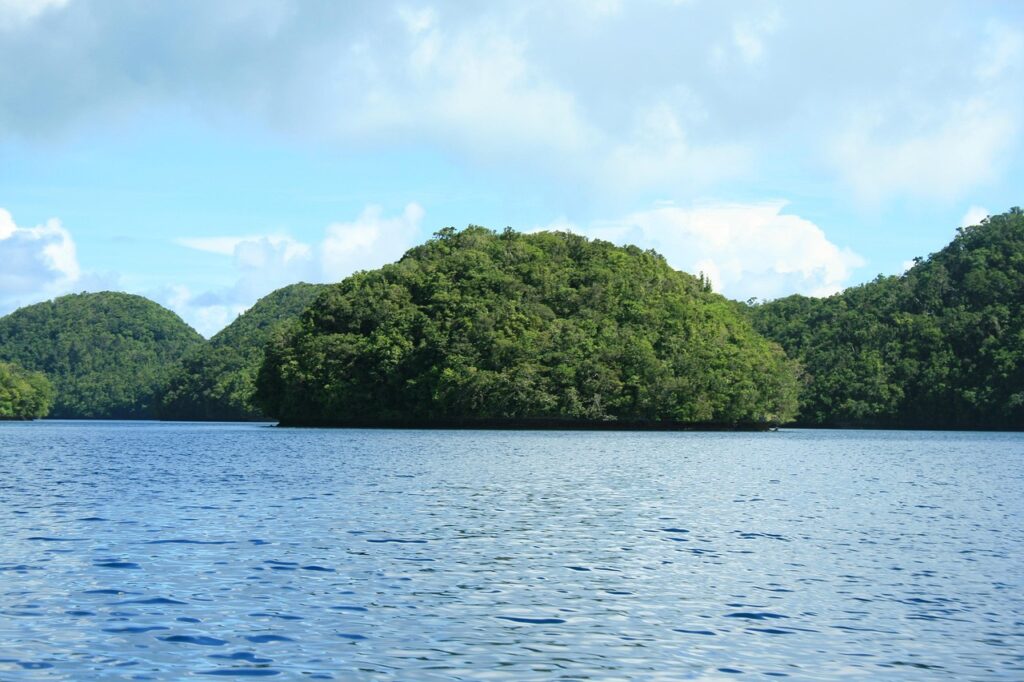
Rock Islands, Palau are home to jellyfish lakes and coral reefs. It’s a perfect spot for eco-tourism.
Mixed UNESCO Sites: Cultural and Natural Wonders Together
Some places are special both culturally and naturally. These mixed UNESCO heritage sites tell two kinds of stories at once.
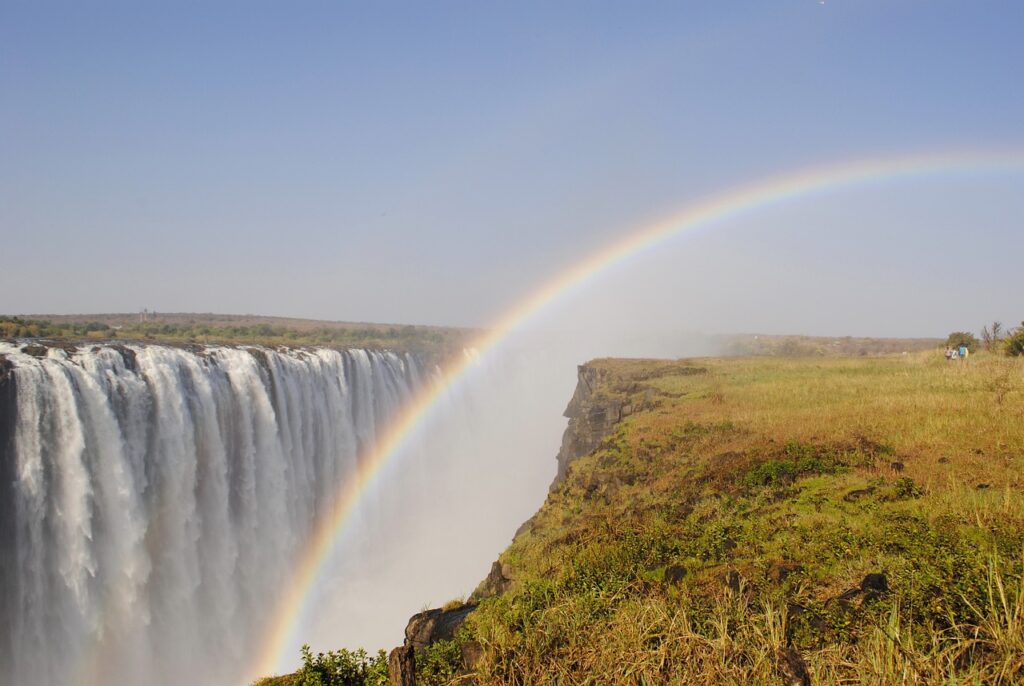
Victoria Falls, Zambia and Zimbabwe is one of the world’s largest waterfalls. It’s also part of local legends and traditions.
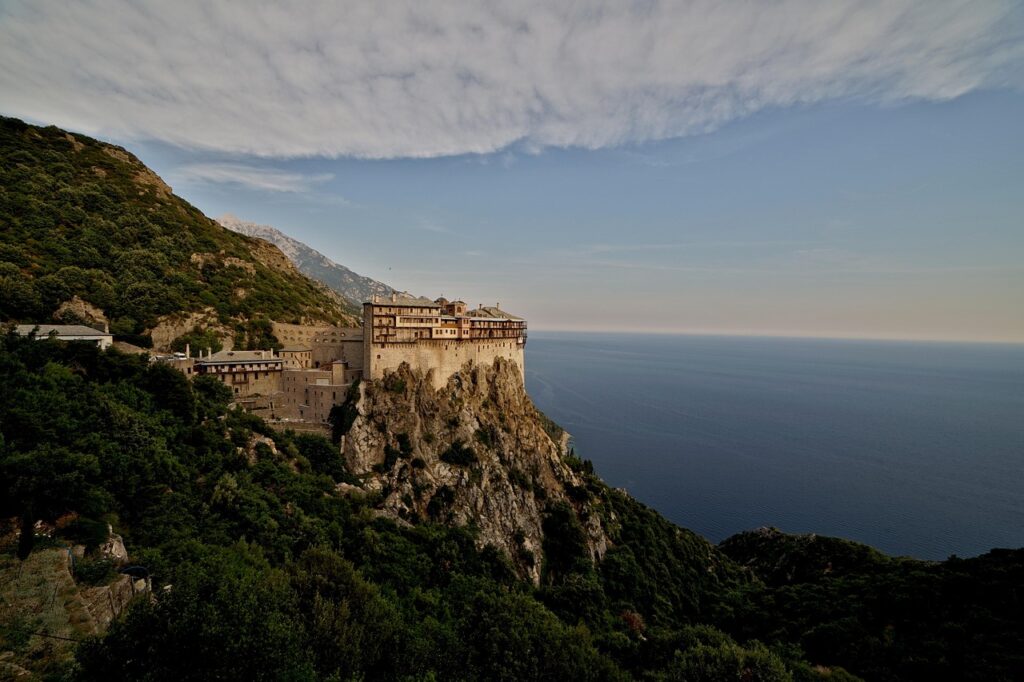
Mount Athos, Greece has beautiful nature and is home to many old monasteries. Only men are allowed to visit, and even then, a special permit is required. Access is extremely limited and regulated.
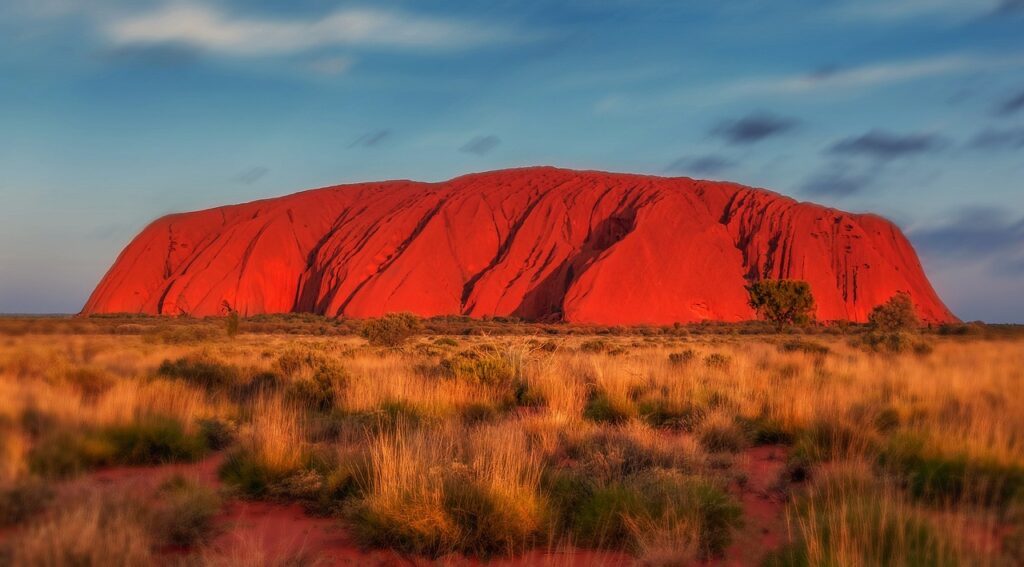
Uluru-Kata Tjuta, Australia is a red rock formation sacred to Aboriginal people. It’s also an incredible place to watch the sunset.
How to Visit UNESCO World Heritage Sites Responsibly
It’s exciting to see these amazing places, but we have to protect them too. Here are some ways you can be a respectful visitor:
Follow the rules at each site. Stay on paths, don’t touch old buildings, and don’t take anything home.
Use local guides. They know the area best and help support the community.
Avoid leaving trash and try to use less plastic.
Travel during the off-season when there are fewer people. This helps avoid damage caused by crowds.
Learning about the site before you go also shows respect and helps you enjoy your visit more.
Planning a Trip to Visit UNESCO Heritage Sites
Planning your trip can be half the fun! Start by checking the official UNESCO World Heritage List. You can look by country, type of site, or even new additions.
If you’re going to a country with several sites, think about how to visit more than one. Some places, like Italy or China, have many within a short distance.
You can also download the UNESCO World Heritage app. It has maps, photos, and facts to help you plan.
Why These Sites Should Be on Your Bucket List
UNESCO World Heritage Sites are more than just tourist spots. They’re places that show the beauty and history of our world. When you visit them, you become part of their story.
Traveling to these sites helps you see how people live in different places and how we’re all connected. And by being a responsible traveler, you help protect these treasures for the future.
So whether you love history, nature, or just seeing something new, there’s a UNESCO site out there waiting for you.
FAQs About UNESCO World Heritage Sites
How many UNESCO World Heritage Sites are there? There are over 1,100 sites in more than 160 countries.
Can a site lose its UNESCO status? Yes. If it’s not protected properly, UNESCO can take it off the list.
Are there new sites added every year? Yes. UNESCO meets yearly to consider new places.
Can anyone visit these sites? Most are open to the public, but some have rules or limited access to protect them.
Where can I learn more? You can visit UNESCO’s official site to explore more sites and get updates.
Which sites are currently in danger? UNESCO keeps a list of sites that are at risk of damage or loss. Some of these include the Everglades in the USA, Abu Mena in Egypt, and the Ancient City of Aleppo in Syria. The risks might come from climate change, pollution, or too many tourists. If you’re planning a visit to one of these places, it’s even more important to travel responsibly. You can view the full list of endangered sites on the UNESCO List of World Heritage in Danger.