Spain Portugal Morocco Trip: How to Plan the Perfect 2-Week Itinerary
Warm pastries in Lisbon, flamenco in Seville, and the call to prayer echoing through Marrakech’s medina. All in one trip. A Spain Portugal Morocco trip lets you experience two continents, three cultures, and centuries of history without needing a month off work.
This guide walks you through a complete 2-week itinerary. You’ll find route suggestions, ferry details, budget estimates, and practical tips. By the end, you’ll have everything you need to start planning your own adventure.
Why a Spain Portugal Morocco Trip Is Worth Planning
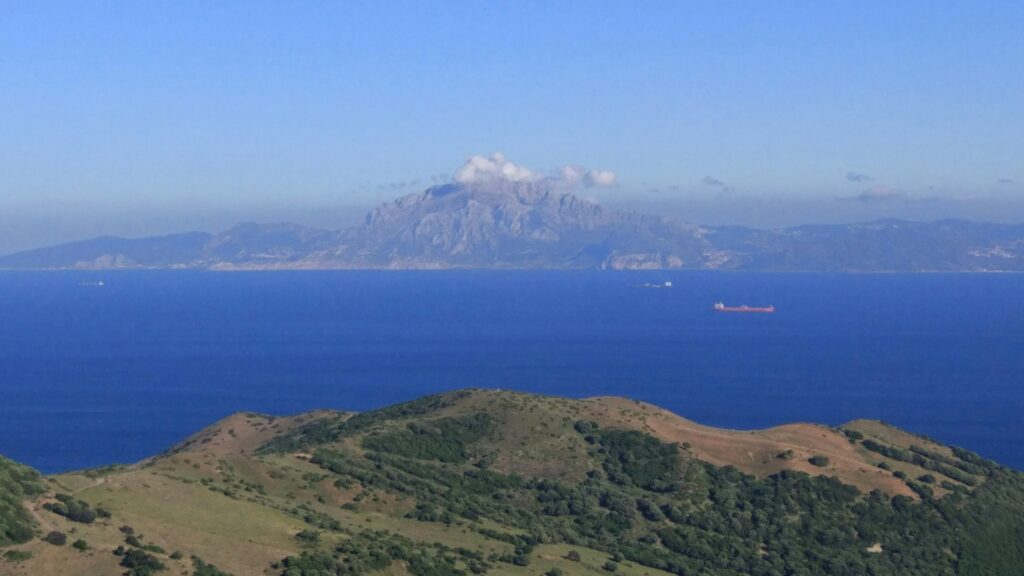
Spain, Portugal, and Morocco sit closer together than most people realize. At the narrowest point, only about 8 miles of water separate Europe from Africa. This makes it surprisingly easy to combine all three countries into one seamless journey.
Each destination brings something different to the table. Portugal offers laid-back coastal charm and incredible seafood. Spain delivers vibrant cities, world-class art, and lively nightlife.
Morocco adds an entirely different sensory experience. Here we’re talking bustling souks, desert landscapes, and architecture unlike anything in Europe. Together, these three countries create a trip that feels like several vacations rolled into one.
How Many Days Do You Need for This Trip
Two weeks is the sweet spot for a Spain Portugal Morocco trip. It’s enough time to explore each country without feeling rushed, but short enough to fit into a typical vacation schedule.
If you have less time, you could trim this itinerary to 10 days by focusing on fewer cities. Travelers with three weeks or more can add extra stops, like the Algarve coast in Portugal or the Sahara Desert in Morocco. For this guide, though, we’ll stick to a balanced 14-day route that works well for first-time visitors.
Best Time to Visit Spain, Portugal, and Morocco
Spring and fall are the best times for this trip. Temperatures are mild across all three countries during these months. You’ll avoid the intense summer heat, especially in inland Morocco, where temperatures can climb well above 100°F (38°C).
Winter is also an option if you don’t mind cooler weather. Coastal areas in Portugal and southern Spain stay relatively mild, and Morocco’s cities are pleasant for sightseeing. Just pack layers, since mountain regions like the Atlas Mountains can get cold and even see snow.
Summer works too, but expect crowds and higher prices in popular spots like Lisbon and Seville. If you do travel in summer, plan early morning activities in Morocco to beat the heat. Save afternoons for relaxing by a pool or exploring shaded medinas.
How to Travel Between Spain, Portugal, and Morocco
Getting between these three countries is easier than you might think. A mix of buses, trains, and a short ferry ride will get you from Lisbon to Marrakech with minimal hassle.
Ferry Options: Crossing from Spain to Morocco
The most exciting part of this trip is crossing the Strait of Gibraltar by ferry. Several companies operate routes between southern Spain and northern Morocco, and the journey itself is half the fun.
The two most popular routes are Algeciras to Tangier and Tarifa to Tangier. The Tarifa to Tangier ferry is the faster option, taking around 1 hour. The Algeciras to Tangier ferry takes a bit longer, usually around 1.5 to 2 hours, but runs more frequently and offers more flexibility.
Booking ahead is a good idea, especially during peak season. Several ferry operators handle these routes, and you can typically book tickets online a few days in advance through sites like Direct Ferries. Bring your passport, since you’ll go through Moroccan immigration either on board or upon arrival.
Traveling by Bus and Train Through Spain and Portugal
Within Spain, high-speed trains connect major cities like Seville and Madrid quickly and comfortably. For the Lisbon to Seville leg, a direct bus is often the easiest option, typically taking around 6 to 7 hours.
Once you’re in Morocco, trains connect major cities like Tangier, Fes, and Marrakech, though buses are sometimes faster for certain routes. Renting a car is also worth considering if you want more flexibility, especially for reaching smaller towns in Morocco.
Your 2-Week Spain Portugal Morocco Trip Itinerary
Here’s a day-by-day breakdown of how to make the most of your two weeks. This route starts in Lisbon, moves through southern Spain, crosses into Morocco, and ends in Marrakech.
Days 1–3: Lisbon, Portugal
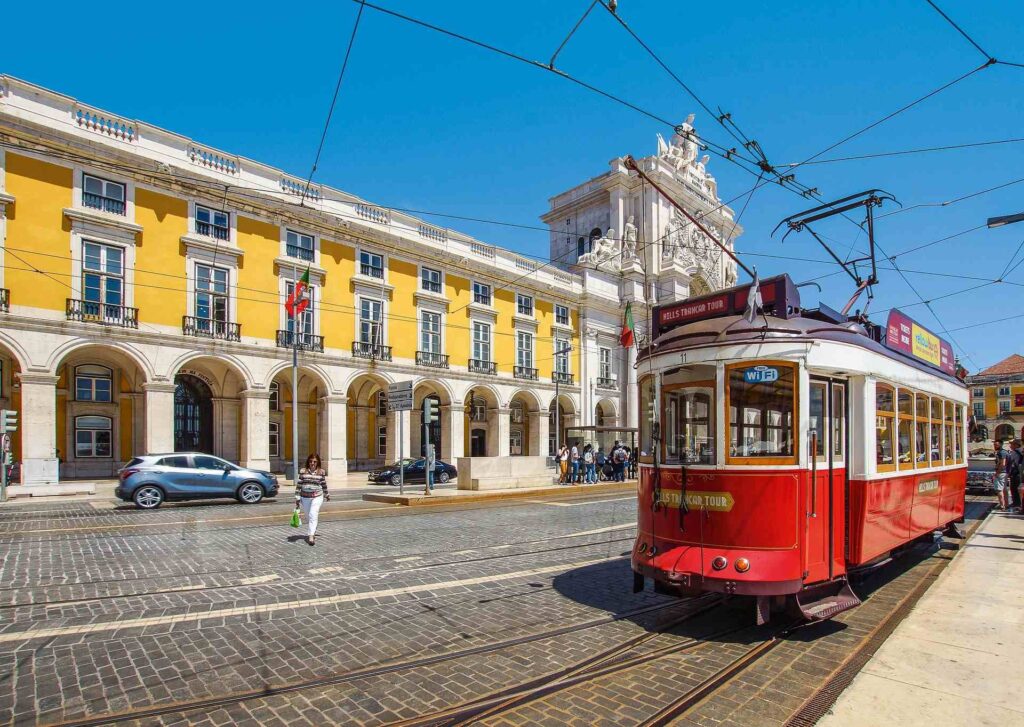
Start your trip in Lisbon, Portugal’s charming hillside capital. Spend your first day wandering the colorful Alfama neighborhood and riding the famous Tram 28.
On day two, take a short train ride to Sintra. This fairytale town is home to colorful palaces and lush gardens that actually makes you feel like you’re in a Disney movie.
If Lisbon leaves you wanting more city breaks, check out these 10 Weekend Getaways in Europe (Lisbon is one of them!).
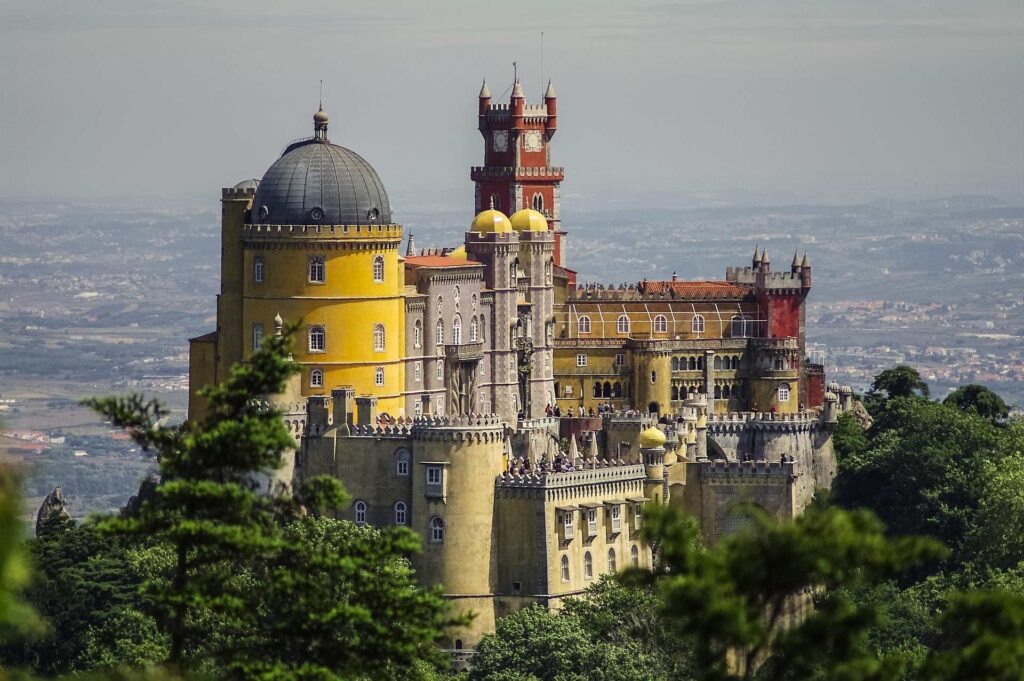
Day three is perfect for exploring Belém, where you can visit the Jerónimos Monastery and try pastéis de nata at the bakery where they were invented. The Visit Portugal website is a great resource for planning this part of the trip.
Days 4–6: Seville and Andalusia, Spain
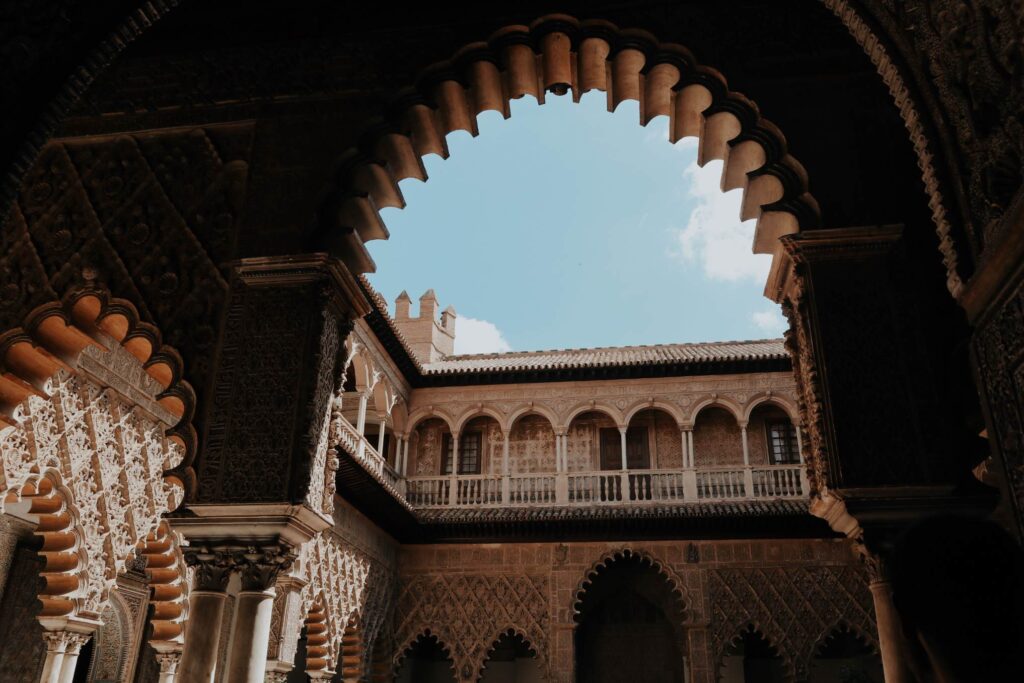
From Lisbon, make your way to Seville in the heart of Andalusia. This city is famous for flamenco, tapas, and stunning Moorish architecture. During your first day you might want to visit Real Alcázar and the massive Seville Cathedral.
Day five is a great time for a day trip to Córdoba, known for the breathtaking Mezquita-Catedral.
On day six, take it slow in Seville itself. Wander through the Santa Cruz neighborhood, enjoy a flamenco show, and start mentally preparing for the shift ahead, since the next day you’re heading to Africa!
Read more: Day Trips from Malaga: 10 Easy Escapes by Train and Bus
Day 7: Crossing to Morocco
This day is all about the journey. Travel from Seville to Tarifa or Algeciras, both about a two-hour drive or bus ride. From there, board your ferry to Tangier.
The crossing itself offers incredible views of both continents at once. Once you arrive in Tangier, take some time to explore the medina and grab dinner overlooking the strait. You’ve officially made it to Morocco!
Days 8–9: Chefchaouen, the Blue City

From Tangier, head to Chefchaouen, Morocco’s famous “Blue City.” The journey takes about two hours by bus or shared taxi. Every wall, door, and staircase here is painted in shades of blue, making it one of the most photogenic spots in the country.
Spend your time wandering the narrow streets, shopping for handmade textiles, and enjoying mountain views from rooftop cafes. This is a great spot to slow down just before diving into Morocco’s bigger cities.
Days 10–12: Fes and Marrakech
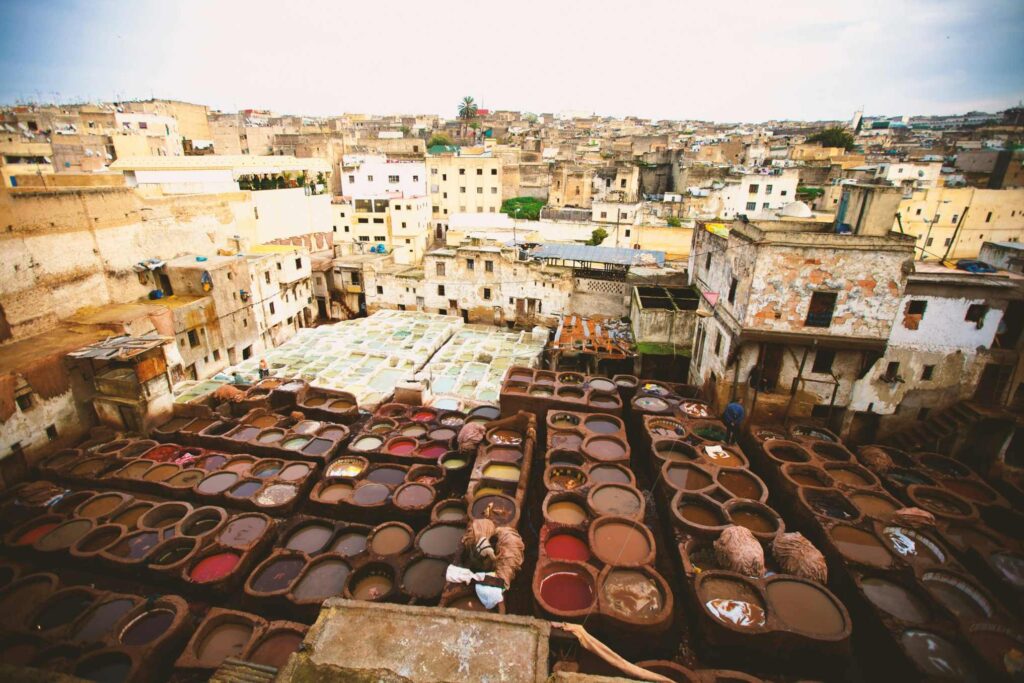
Next, travel to Fes, home to one of the world’s oldest and largest car-free urban areas. Spend a day getting lost (on purpose) in the medina, visiting tanneries, and exploring centuries-old madrasas. A local guide can be helpful here, since the medina’s maze-like streets are notoriously confusing.
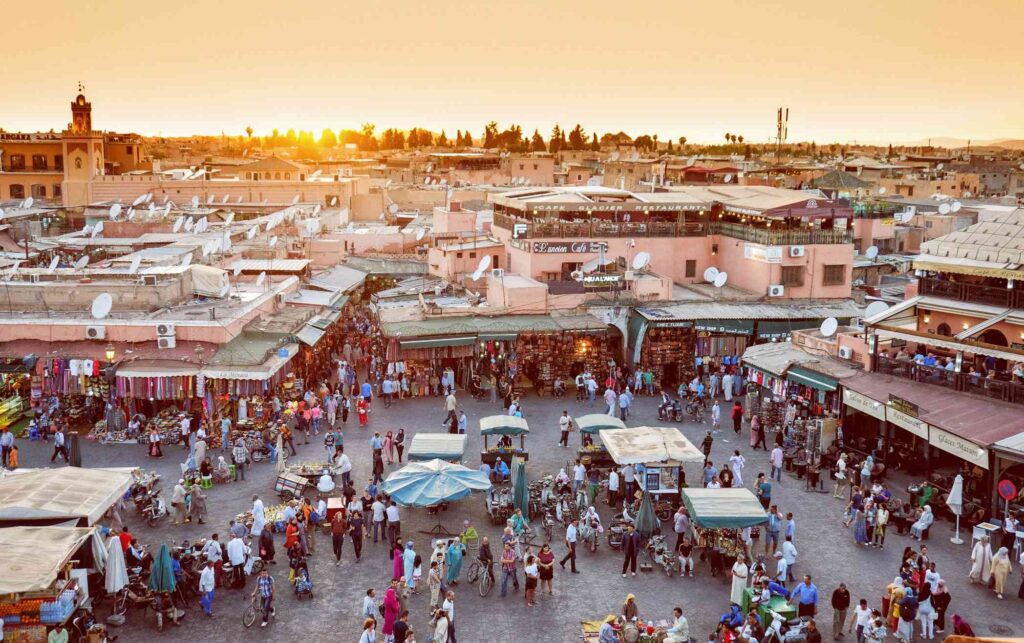
From Fes, travel to Marrakech, either by direct train (around 6.5 to 8 hours via Casablanca) or by road. If you’d rather take the scenic route, hiring a driver or renting a car lets you cross the Middle Atlas Mountains, with stops in towns like Ifrane along the way. Spend your remaining days exploring Jemaa el-Fnaa square, the Bahia Palace, and the vibrant souks. Evenings in Marrakech come alive with street food, music, and storytellers in the main square.
Days 13–14: Final Days and Return Journey
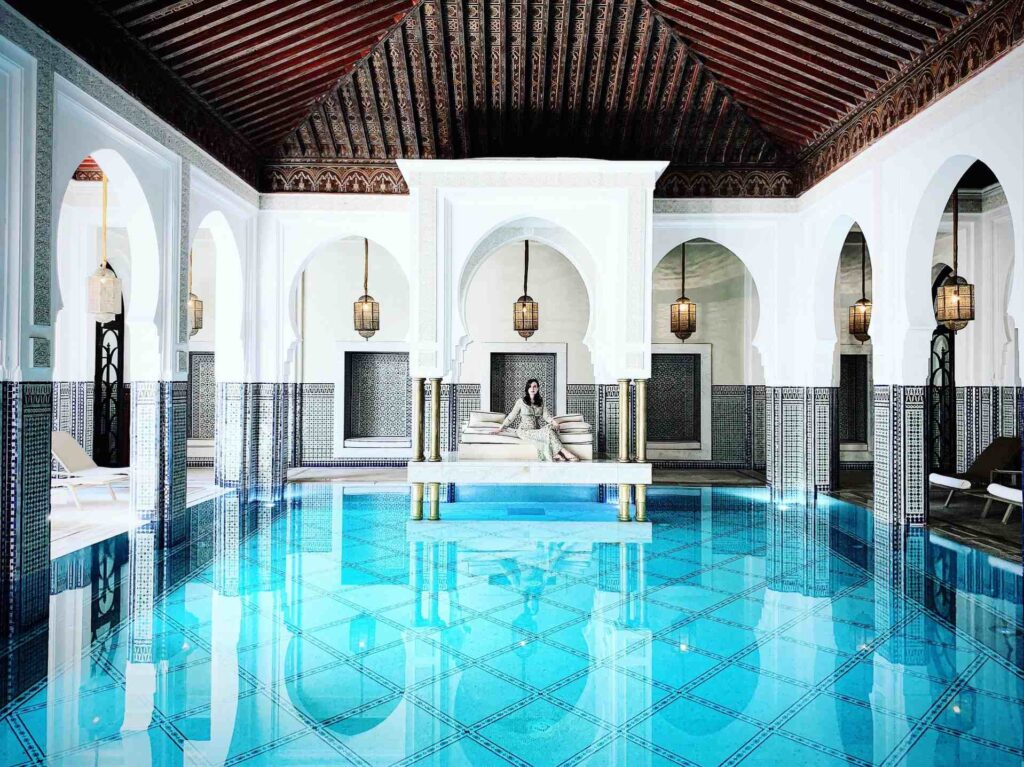
Use your last two days in Marrakech for anything you missed, whether that’s a hammam experience, a day trip to the Atlas Mountains, or simply more time shopping for souvenirs. Marrakech has an international airport, making it a convenient endpoint if you’re flying home or onward.
Alternatively, you can fly back to Lisbon or Madrid for your return flight, depending on where your trip began. Either way, these final days are your chance to relax and reflect on everything you’ve experienced.
How Much Does a Spain Portugal Morocco Trip Cost
Costs vary a lot depending on your travel style, but here’s a rough breakdown for two weeks.
Budget travelers can expect to spend around $50 to $80 per day, covering hostels, public transport, and street food. Mid-range travelers should budget closer to $100 to $180 per day for comfortable hotels, sit-down meals, and occasional taxis or tours. Luxury travelers can easily spend $250 or more per day on boutique riads, private guides, and fine dining.
Morocco is generally cheaper than Spain and Portugal, so your money tends to stretch further there. Don’t forget to budget for the ferry crossing, which typically costs between $40 and $60 per person each way.
Visa and Entry Requirements for Spain, Portugal, and Morocco
Spain and Portugal are both part of the Schengen Area, so many travelers, including those from the US, UK, Canada, and Australia, can enter visa-free for short stays. Morocco has its own separate entry rules, but citizens of many of these same countries can also enter visa-free for short visits.
Keep in mind that crossing from Spain into Morocco means leaving the Schengen Area, even though it’s a short ferry ride. Make sure your passport has plenty of validity remaining, and always double-check current requirements before you travel, since rules can change. The Schengen Visa Info website is a helpful resource for up-to-date Schengen rules.
A Spain Portugal Morocco trip offers an incredible mix of cultures, landscapes, and experiences, all within a manageable two-week timeframe. From Lisbon’s pastel streets to Marrakech’s bustling souks, every stop on this itinerary brings something new. With a little planning, this trip can become one of the most memorable adventures of your travels.
Feel free to alter the travel plan, so it fits your travel period and interests. Down below is a couple of different travel itineraries for a Spain-Portugal-Morocco trip.
- Highlights of Spain, Portugal and Morocco Tour – 24 days
- 3 Weeks in Spain, Portugal & Morocco – 5 Unique Itinerary Ideas
- 2 Weeks in Spain and Portugal (with optional trip to Morocco)
And make sure to check out our French Riviera Road Trip Itinerary: Best Stops & Routes blog post, if you’re looking for European road trips!